Mũi Né in 3 Days: Sand Dunes, Wind and Coastal Vietnam
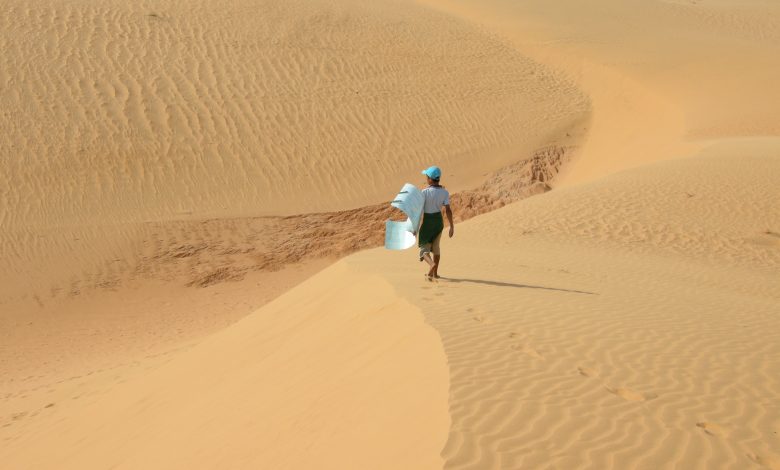
Mũi Né is appearing on 2026 trend lists, but the useful reason to go is the unusual mix: wind-shaped dunes, a working fishing coast and water sports. A trend list is a planning signal, not proof that every traveler will love it. The practical question is whether you want an active beach stay or a quiet resort break—and how much time you can give the coast.
Featured image credit: Vyacheslav Argenberg via Wikimedia Commons, CC BY 4.0; image resized for this site.
At a glance
- Allow: three nights for dunes, local food and one activity day; two nights works if you arrive early and leave late.
- Best for: beach time, kiteboarding, sand dunes and seafood, with a slower rhythm than a major city.
- Where to stay: choose the beach strip for resort convenience, or a location closer to the fishing village if local life matters more; check the exact distance to your planned activities.
- Plan around: wind, heat and the actual transfer time from Ho Chi Minh City or Nha Trang.
When to go: match dates to the experience
Vietnam’s official tourism guide describes the area as drier than much of the country and recommends November to April, while noting a May-to-October rainy season that can still be sunny and windy. Treat those as broad planning ranges: check the forecast for your dates and ask a reputable water-sports school about current conditions. If kiteboarding is your priority, confirm the wind outlook and beginner lesson availability before you book a non-refundable stay.
Recent 2026 trend coverage from Vietnam Tourism, citing Booking.com’s destination research, has highlighted Mũi Né’s dunes and coastal activities. Use that as inspiration—not a guarantee of visitor demand—then choose a quieter weekday or shoulder period if flexibility matters more than a particular event or school schedule.
A practical three-day itinerary
- Day 1 — arrive and settle into the coast: travel to Phan Thiết, continue to your accommodation and keep the first afternoon light. Walk the nearby shoreline and have a seafood dinner. If you arrive in the morning, visit the fishing harbor respectfully; it is a working place, so keep clear of equipment and ask before photographing people.
- Day 2 — dunes at a comfortable pace: arrange transport to the White Sand Dunes early, when the day is cooler, and agree in advance on the return time and any vehicle activity. Bring water, sun protection and secure footwear. Rest during the hotter middle hours, then visit the Red Sand Dunes later only if you still have energy and conditions allow.
- Day 3 — choose water or culture: book a beginner lesson with a school that explains equipment, safety signals, supervision and weather cancellations. If you prefer land, visit Fairy Stream and the Po Shanu Cham Towers in a route that avoids rushing between distant stops. Finish with a relaxed meal and leave enough time for your onward transfer.
With a fourth day, make it a genuine rest day or add one nearby stop after checking distance and transport. Do not stack both dunes, a water-sports session and several cultural sights into one day.
Getting there and getting around
Mũi Né is reached overland from larger transport gateways. Vietnam’s official tourism information points visitors toward Ho Chi Minh City or Nha Trang, then onward by train or bus to Phan Thiết. The rail station serving the area is outside the beach strip, so confirm your final transfer to the hotel before buying a ticket. Schedules, routes and road conditions can change; check official rail information and your chosen bus operator for the exact travel date.
Along the coast, pre-arranged transfers, taxis or a trusted local ride service are simpler than self-driving. Distances between the resort strip, fishing harbor and dunes are not always comfortable on foot. Avoid renting a motorbike unless you are legally entitled, experienced in local traffic and properly insured.
Booking priorities and common mistakes
Choose lodging based on the activity you want most, not just the word “Mũi Né” in an address. Ask how far it is from the lesson beach, dunes pickup point or town center. Before reserving a water activity, check instructor credentials, equipment, safety briefing, weather policy and what happens if wind or sea conditions are unsuitable.
- Do not assume all dunes or beaches are beside your hotel.
- Do not schedule outdoor activity at midday without shade and water.
- Do not rely on old timetables or quoted transfer durations; reconfirm directly before travel.
- Do not treat travel-trend coverage as a promise of empty beaches or an ideal season.
Continue planning
Pair this coastal stop with our Vietnam travel guide or Hanoi three-day itinerary, and browse the Asia planning hub for other regional ideas. Check Vietnam Tourism’s Binh Thuan guide and transport guidance before you lock in dates.