Narai-juku in 2 Days: Wooden Streets, Lacquerware and a Slower Japan Stop
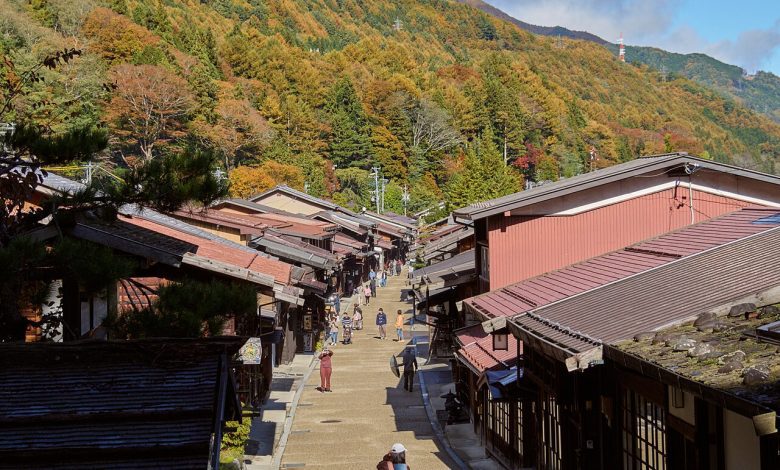
Narai-juku rewards the traveller who stops trying to cover distance. Its wooden main street makes an easy photograph, but the better reason to stay is time: time to look at a lacquer bowl, sit over noodles and notice how a former post town still works as a place to live. Two days with one night suit that slower approach. A long-distance Nakasendo trek is a different holiday.
At a glance: who should stay overnight?
Choose Narai if architecture, craft and small-town walking interest you. A day visit can cover the main street; an overnight removes the pressure to fit every stop between trains. Travellers who want a wide restaurant choice or late evenings may prefer a larger regional base and visit during the day.
The Japan National Tourism Organization’s Narai guide places the town on the old Nakasendo route in Nagano, between Matsumoto and Kiso Fukushima. The appeal is concentrated rather than spread across a big city. You do not need a rental car simply to explore the historic street.
Best time: plan for shops as well as scenery
Compare spring and autumn for a walking-led stay, with layers and waterproof clothing. Neither season guarantees dry days or a particular foliage display. Summer needs heat and rain planning; winter can make the street atmospheric but changes what is practical.
Go! Nagano’s town listing warns that businesses and museums close earlier and more often in winter. Confirm your chosen accommodation, dinner and interior visits on the actual dates. A beautiful winter photograph does not establish that a shop or walking route will be open.
Day one: arrive before the town winds down
Travel in the morning where the rail connections allow, leave luggage with your accommodation if agreed, and walk the street without immediately committing to purchases. Look at the wooden façades and side details, then choose one house or cultural interior to understand the buildings beyond their exteriors.
The Nakamura Residence is a starting point to research, with current opening checked locally. Break for lunch instead of collecting attractions. Ask a lacquerware shop about how an item was made, its care instructions and safe packing for the journey home. A small useful object can be a more thoughtful purchase than several rushed souvenirs.
After checking in, make a second short walk and settle into the evening meal you arranged. Keep cameras away from private interiors and ask before photographing residents or working artisans. The quieter hours are part of an ordinary town’s day, not a private film set.
Day two: choose craft time or a conditional trail day
A relaxed second morning can mean revisiting a shop, taking a longer breakfast and looking more carefully at the street before continuing by train. JNTO’s Nakasendo rail guide highlights the area’s lacquerware and woodcarving traditions: let a particular interest shape the morning rather than forcing in another destination.
If walking is your main objective, research the Torii-toge route towards Yabuhara separately. Treat it as a mountain-path outing requiring suitable footwear, daylight, current access advice and a confirmed onward train. Rain, snow, ice or local wildlife warnings can change the decision. Check local bear alerts; the street-based day remains a useful alternative if conditions are unsuitable.
Getting there and where to sleep
Narai has a station on the JR Chuo route and is reached by local train. Long-distance services and local connections need to be checked together; do not assume a limited express stops at Narai. Use current JR East route information and the relevant operator’s timetable for your full journey, including the last connection you would be comfortable taking.
Choose a Narai lodging for the atmosphere and a short walk home. Before reserving an older building, ask about stairs, bathroom arrangements, heating or cooling, luggage storage and meal times. Confirm dietary needs directly. If staying elsewhere, price the extra rail journeys and the time they remove from the visit.
Booking priorities and mistakes to avoid
Reserve the limited overnight option first, then align trains and meals. Confirm a craft appointment before relying on it; a shop selling handmade work does not automatically offer visitor workshops. Carry a payment backup and save bookings offline. Check current Japan travel advice and local weather alerts.
Use our Japan hub to place this stop in a wider route, compare the craft focus of Kanazawa, and plan the city portion with our Tokyo guide. Start by choosing whether your second day is for craft or walking; that decision should guide the room and rail bookings.
Featured photo: lumoplank / Wikimedia Commons, CC0 1.0. Resized from the original.