Nikko in 2 Days: Toshogu Shrine, Lake Chuzenji and Kegon Falls
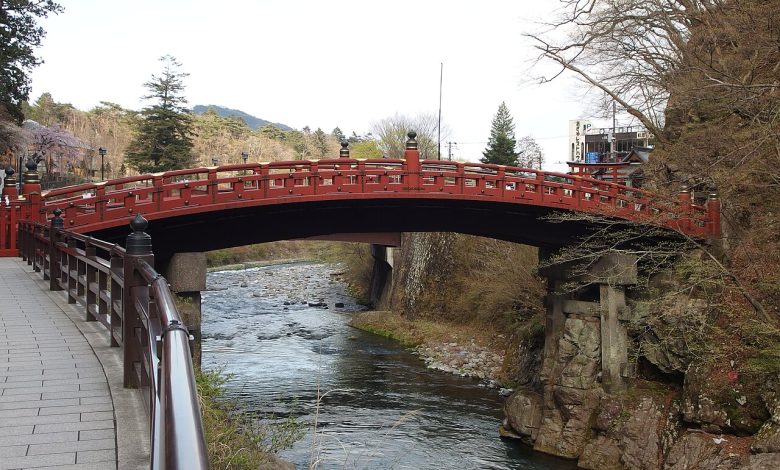
Give Nikko two days and one night if you want to see Toshogu Shrine and Lake Chuzenji. Spend the first day in the World Heritage area and the second in the mountains. With only a day from Tokyo, stick to the shrines and temples. The lake bus uses a winding mountain road, and a tight connection can turn an easy itinerary into a long wait.
Day trip or overnight? Choose by what you want to see
| Time | Main plan | What to leave flexible |
|---|---|---|
| One day | Shinkyo Bridge and the World Heritage area | A second paid temple or shrine |
| Two days | Toshogu and nearby sites, then Lake Chuzenji and Kegon Falls | The exact time you leave the lake |
| Three days | Add a slower mountain outing or a ryokan night | Any trail that depends on weather or local alerts |
Nikko City reported 10,735,479 tourist visits in 2025. That figure covers the municipality and is not attendance at Toshogu alone. In autumn, Tobu warns of delays on the road to Lake Chuzenji. If foliage is the reason for your trip, give the lake its own day and leave plenty of time before your onward train.
Best time to visit Nikko
Spring and early summer can suit an itinerary that mixes outdoor walks and shrine visits. Summer gives you longer days, but carry rain protection and check trail conditions. Autumn colour reaches different elevations at different times, so look at current local reports rather than assuming the town and lake peak together. In winter, check for ice, altered bus service and venue access. Pack a layer for the lake even if central Tokyo feels warm.
Day 1: Shinkyo Bridge and the World Heritage area
From JR Nikko or Tobu-Nikko station, walk or take the local bus to the historic area. Start at the Shinkyo Bridge viewpoint, then make Toshogu your main visit. The shrine is dedicated to Tokugawa Ieyasu and forms part of the Shrines and Temples of Nikko World Heritage site. Give yourself time for the carved gates and courtyards. Check site-specific hours, ticket coverage and stair access before setting out.
Add Rinnoji or Futarasan Shrine after lunch if you want another visit. Choose whichever suits your interest in Buddhist temple interiors or the shrine precinct. Follow instructions about shoes and photographs. An overnight stay means you can finish the afternoon without checking the time at every gate. Confirm your hotel check-in if you plan to arrive late.
Day 2: Lake Chuzenji and Kegon Falls
Use the official Nikko transport guide to identify your bus and return stop. The route climbs toward Chuzenji Onsen. Start with Kegon Falls if visibility is good, then take a lakeside walk and stop for lunch. Check the current hours, fee and access for the lower viewing facility if you intend to use it. In low cloud, take a shorter lakeside outing or spend more time in town.
If you add a third day for a trail in Oku-Nikko, check recent park and local notices first. Follow instructions about wildlife, including the current Japan travel guidance on bears and severe weather. Choose a signed route that fits daylight, footwear and your experience, and keep a lower-risk option if the trail is closed or wet.
What to do if the lake road is delayed
Check the bus departure board before setting out from the station and look again before leaving the lake. If the queue or weather puts the return at risk, skip the upper route. Spend the time you have left near the historic area, or choose one smaller museum or garden after checking its opening day. Staying in town makes this change easier than moving your luggage uphill for a single night.
Where to stay, which train to take and what to book
- Pick a base by the next morning. Stay near the stations for onward rail, near the historic area for a slower first day, or at Chuzenji Onsen if the lake is the main reason you came. Confirm dinner and last check-in at a ryokan.
- Compare the fare for the routes you will use. Tobu’s Nikko passes cover different areas. The limited express requires a separate ticket. Compare the full cost and pickup rules with buying tickets separately; do not assume a rail pass covers the mountain bus.
- Leave a buffer before the train. In busy foliage periods, return from the lake earlier than the map suggests. Choose a train you can realistically reach and know how to change it if needed.
Your next step: Decide whether you want a shrine day or a shrine-and-lake overnight, then compare your trains and hotel location. Pair the trip with our Tokyo neighbourhood itinerary, or use the Japan travel hub and our Narai-juku rail guide to choose a longer route.
Featured photo: Guilhem Vellut / Wikimedia Commons (CC BY 2.0; resized for display).