Hachinohe Travel Guide: Seafood and the Tanesashi Coast
In Hachinohe, the calendar matters more than the order of a sightseeing list. If the Tatehana Wharf morning market is your priority, put a Sunday in the middle of the stay and plan your early ride before choosing a hotel. If you are arriving on weekdays, the city still works as a seafood and coastal walking trip. Use a different market rather than rearranging an entire Japan itinerary to chase one breakfast.
Hachinohe at a glance
| If you want | Plan for |
|---|---|
| Sunday seafood market | Put Tatehana Wharf on an operating Sunday and arrange the early ride. |
| Weekday food trip | Check the Hasshoku Center calendar, including its regular Wednesday closure and exceptions. |
| A short coast walk | Choose one Tanesashi viewpoint or an out-and-back if the onward service is uncertain. |
Before you book
- Check whether your hotel is near the Shinkansen station or the downtown restaurants.
- Save an earlier return from the coast as well as the service you plan to take.
- Choose a non-seafood lunch option in advance if anyone in your group needs one.
When to go and how long to allow
Start with late spring or early autumn if you want to spend much of a day walking outside, and check the actual forecast. The northern Pacific coast can be windy or cool when the city centre feels comfortable. The market is seasonal as well as weekly, so check the event listing even if your visit falls on a Sunday. Three nights are comfortable for a late arrival, one market or city day and a coast day. With two nights, put the strongest experience on the only full day and keep the other visits short.
Suggested itinerary
Day 1: Arrive in the right part of the city
Check whether your train stops at Hachinohe Station or whether your hotel is closer to Hon-Hachinohe or a downtown bus stop. The Shinkansen arrival point and the restaurant district are different places. If you arrive late, check the last useful connection and have your hotel address in Japanese. Build the first day around your actual arrival: have dinner nearby and leave the longer outing for daylight.
Explore the downtown alleys at a pace that suits a small group. The yokocho lanes are good for an evening meal if there is space and the menu works for you. Some businesses are small enough that a large group changes the experience for everyone. Ask about seating and food requirements rather than assuming you can all move between several places together.
Day 2: A Sunday at Tatehana Wharf, or a weekday fish-market visit
Read the official Hachinohe weekend itinerary to understand how the market fits with the city and coast, then check the current listing for operating dates. Agree on a meeting point with companions before going into a crowd. Bring small denominations and start with one breakfast choice so you can stop to eat rather than carrying several dishes through the busiest section. Explain allergies before buying, especially around seafood.
On a weekday, check the official Hasshoku Center listing and choose one place to eat. The tourism office lists Wednesday as the regular market closure, with exceptions; check the individual areas before making the trip. This is a worthwhile alternative even if you have no interest in photographing a bustling wharf. Use the afternoon for a short local visit or rest. A pre-breakfast start makes a late coastal outing less appealing, and you have a whole separate day for the shore.
Day 3: Tanesashi Coast without the long walk back
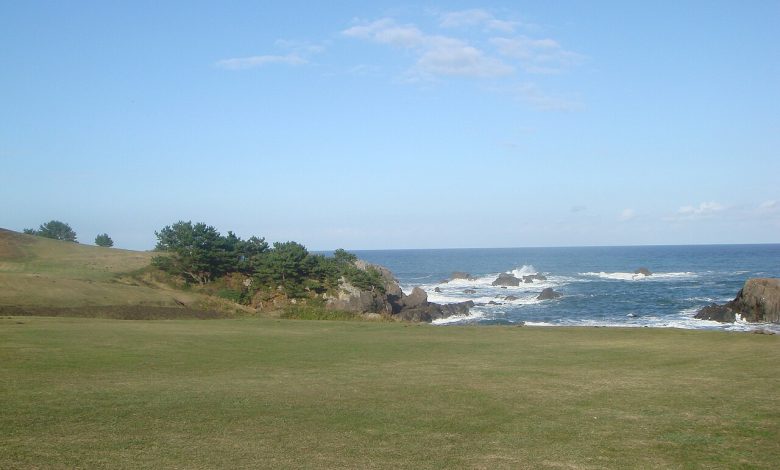
Choose a stretch of coast, not the maximum distance. Tanesashi’s open lawns and the viewpoints closer to Ashigezaki reward different amounts of walking; you can see both only if your transport and the conditions leave time. Check JR and any operating coastal bus for the day. A station or bus stop at the far end is useful only if the service runs after you arrive. If you cannot establish that, use an out-and-back route with an agreed turnaround time.
Stay on paths and away from exposed rocks in high waves. Pack a layer and a small lunch; do not assume there will be food at every end of a coastal trail. Move this day earlier if rain or strong wind is expected. If both days are poor, put the time into a city or food visit.
Where to sleep and what to book
A downtown hotel gives easier access to dinner; a station-area base makes sense for an early Shinkansen. Check JR East for train details and Japan Meteorological Agency warnings near the trip. Book the long-distance leg and accommodation first, then confirm the early market transfer or the coastal return. Do not promise yourself fresh fish from a particular stall before checking what is actually available.
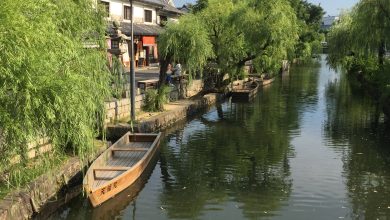
Your next step: mark the date that makes the food outing work and save the coast return beside it. Compare our Tsuruoka food itinerary for a different northern Japan trip, the Kurashiki canals and art guide for a quieter cultural stay, and the Japan travel hub for planning onward.
If you are travelling with someone who does not eat seafood, choose a lunch venue with a separate non-seafood option before taking the morning train or bus. A fish market may offer an interesting walk without offering everyone a meal. On the coast, choose one accessible viewpoint as a shared stop and let anyone who wants a longer walk extend it only if the return connection allows.
Featured photograph: Tanesashi Hachinohe.JPG by Ow00wo, Wikimedia Commons, CC BY-SA 3.0. Resized for web.