Kpalimé Travel Guide: Togolese Craft, Forests and Falls
Kpalimé is a good place to stay long enough to see how the town and the surrounding hills fit together. The craft school gives the first day a purpose; a guide can give the forest or a waterfall the attention it deserves on the second. Keep the third day for one more short outing or a slower return to Lomé. The big decision is whether to sleep in town, where meals and transport are easier to arrange, or in the hills, where the landscape is right outside but most errands need a vehicle.
Kpalimé at a glance
| If you want | Plan for |
|---|---|
| Craft and town life | Stay in town and confirm what visitors can observe at the craft centre. |
| Forest or waterfall walk | Pick one guided route; ask about slopes and stream crossings before paying. |
| A quieter hill stay | Check vehicle access, meals and the return to Lomé before booking. |
Before you book
- Review current advice for the specific route before reserving a driver.
- Agree what the guide fee includes and how rain affects the outing.
- Make the first or last day smaller if you are transferring from Lomé.
When to go and how many nights
Compare dates in the drier part of the year first if the walks matter most. Rain can swell the falls but can also change what is sensible on steep paths and across streams. The answer depends on conditions that week and the actual route, not merely the month. Allow two nights if the arrival is early and the departure late; three nights are more forgiving if you are coming directly from a flight or arranging interpretation in a particular language. Togo Tourisme’s Kpalimé guide names several different falls and hill sites, so choose one rather than treating them as a single stop.
Suggested itinerary
Day 1: A craft visit with time to talk
Make the town the focus on arrival. Walk around the cathedral exterior and stop for lunch before heading to the craft centre, if the day’s access has been confirmed. The tourism authority describes it as a place where wood carving, pottery, weaving and other skills are taught. Ask what visitors can observe and whether a paid demonstration is possible. A quick shop visit and time with a working maker are different experiences; set aside time and money for the one you want. Ask before photographing students or artists and keep doorways clear.
Walk through the market while it is active if your arrival allows. Browse produce and ask what is in season instead of trying to track down a list of stalls from an older guide. Give yourself a quiet evening near your hotel. This also leaves time to go over the next day’s pickup and weather with the driver.
Day 2: Choose one waterfall or forest route
Start with a weather and access check. A Kloto or Missahoé forest visit offers a chance to learn about the region’s vegetation, while Womé or another waterfall may suit those whose main interest is the water and valley. Ask the guide to describe steep sections, slippery ground, stream crossings and the actual walking distance from the vehicle. Make sure the price you agree includes any entry charges or clarifies what is paid separately. Wear shoes with grip, take drinking water and follow local restrictions. If rain has made the route unsuitable, switch to a town or craft day rather than treating a short waterfall walk as automatically easy.
Day 3: Stay local or make one extra stop
For a third morning, consider the region’s coffee and cacao story. The tourism office describes the nursery at Tové; check before leaving whether a visit can be arranged. A hosted visit on a working site requires permission. If the logistics are uncertain, choose a market breakfast, another art visit or a short neighbourhood walk. An outing around Mount Agou deserves its own daylight and return plan; leave it out if you’re already travelling back to Lomé that day.
Getting there and where to stay
Kpalimé is reached by road from Lomé. Compare a reputable daytime coach option with a hotel-arranged driver, taking into account the correct departure point, bags and the last leg to the hotel. Get the return arrangements as well as the outward quote. In town, choose a property where you can reach dinner comfortably; for a hill stay, check whether meals, road access and transport are available when you need them. Save the address offline, ask how the driver will identify themselves and carry a payment backup.
Book in the right order
Check current Togo travel advice for your route, entry and health planning. Do not extend the journey towards an unfamiliar border crossing merely because it looks close on the map. Reserve the base and daylight transfers first, then confirm one outdoor outing with a weather policy. The Porto-Novo heritage itinerary is useful if you are deciding between West African culture stays; any cross-border journey needs separate planning.
Your next step: pick a town or hill base, then ask a guide for one written route you can move if the weather changes. Compare other trips through the Africa planning hub or read the Dakar food and heritage itinerary if a larger city suits your interests better.
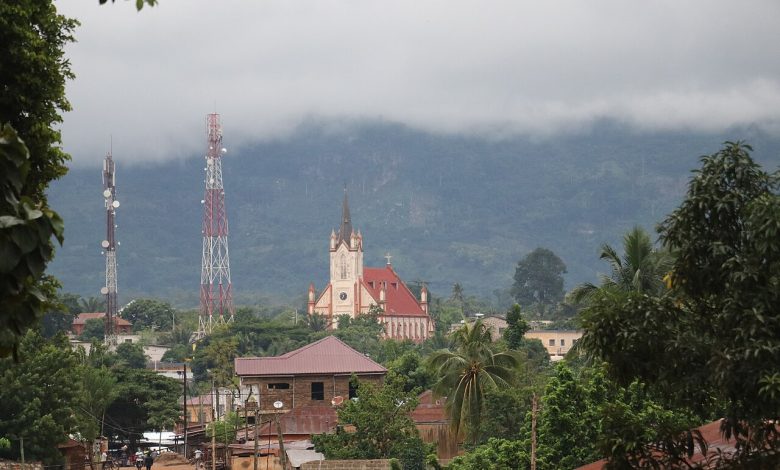
Featured photograph: CATHEDRALE SAINT ESPRIT DE KPALIME 2.jpg by VISITEZ KPALIME, Wikimedia Commons, CC BY-SA 4.0. Resized for web.