Deception Island Travel Guide: Antarctica Expedition Tips
On a map, Deception Island looks like a place you could visit for an afternoon. In practice, the island is a possible stop on a much longer expedition, and the decision starts months before the ship reaches the South Shetlands. Choose a voyage you would still enjoy if you saw the island from the deck or missed it entirely. An itinerary that works only if you stand on the beach at Whalers Bay is a poor fit for this part of Antarctica.
Deception Island at a glance
| If you want | Plan for |
|---|---|
| Whalers Bay is a priority | Look for a named itinerary stop and ask what the voyage offers if the landing is cancelled. |
| You prefer to stay on board | Ask what scenery can be seen from deck and whether small-boat outings are optional. |
| A separate gateway flight | Book enough time at the actual embarkation city for delays and transfers. |
Before you book
- Compare time in Antarctic waters, not only the advertised voyage length.
- Ask about wet landings, mobility requirements and insurance before paying.
- Treat all landings as conditional and follow the expedition team’s briefing.
How much time to allow
Start by comparing voyages that give several days to the Antarctic Peninsula and South Shetlands, then add separate time at the gateway. A roughly ten to twelve day voyage is a useful comparison point for conventional sailings, but embarkation, crossings and landing days are counted differently by operators. Read the day-by-day programme. Note how many days are available around the peninsula and which are spent getting there. Use our first Antarctica expedition comparison to decide between sailing and a flight-and-cruise itinerary before narrowing the search to a particular island.
When to go and what to expect
Look in the austral summer expedition season. Choose dates primarily for the overall trip: conditions, daylight, wildlife interests, itinerary length and your ability to leave spare days around it. Weather and sea conditions govern access on the day. Even if the ship enters the flooded caldera, a small-boat transfer ashore may not follow. Check whether the operator lists Deception Island as a possible visit and whether it distinguishes Whalers Bay from other visitor sites on the island. A photograph or map pin in a brochure is a weaker signal than a named itinerary stop.
The day the island becomes possible
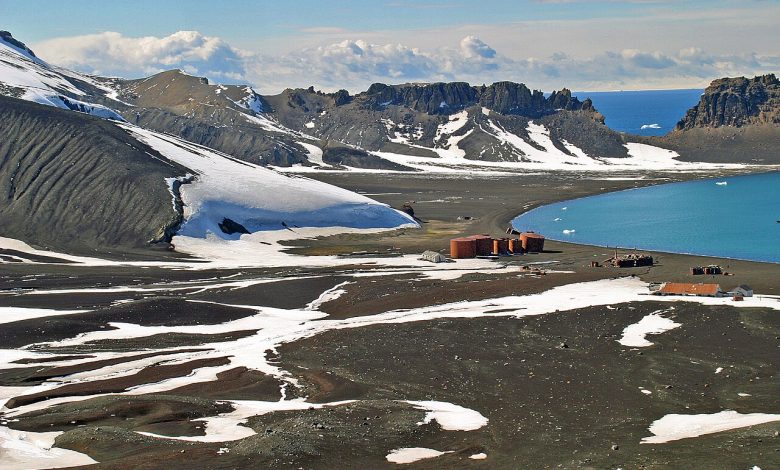
Before getting into expedition gear, listen to the briefing. The team can explain whether the plan is a landing, a small-boat outing or viewing from the ship. A landing at Whalers Bay makes most sense as a visit to an industrial and scientific landscape inside an active volcanic system. Look at the contrast between the shore, the enclosing slopes and the remains of human occupation. The official Antarctic Treaty visitor guidelines for Whalers Bay flag both volcanic risk and unsafe historic buildings. Stay with the permitted route; you cannot go inside the structures or assume any apparently empty slope is open to visitors.
If you remain aboard, ask where the geology and former station can be seen from public deck areas. A longer look at the shape of the bay can be more revealing than trying to get a single recognizable photograph. If the itinerary changes altogether, use the briefing to understand the alternative site’s wildlife or landscape. Consult our Antarctica destination guide for the wider picture before you compare the ship’s substitutes.
Getting there and where to stay
Book lodging in the actual embarkation city, as shown on your operator’s paperwork. For a sailing from Ushuaia, prioritize a straightforward transfer to the meeting point over a distant scenic room. Leave a spare night before embarkation if your flights permit; with separate international and domestic tickets, consider more margin. For an itinerary with a charter flight, follow the operator’s arrival instructions and ask how a weather delay affects hotels, luggage and return flights. The ship is your accommodation during the visit; there is no independent overnight stay in this plan.
What to book and ask first
Compare the full quote for flights, hotels, expedition fare, gear, transfers and insurance. Ask whether your policy covers the itinerary’s evacuation and disruption risks, and have the provider clarify exclusions before paying. The operator should explain mobility requirements for stepping into small boats, wet landings and use of stairs on board. If you would have difficulty with any of these, ask what you can still experience from the ship. Follow IAATO’s expedition preparation guidance and the operator’s biosecurity instructions, including cleaning anything that may carry soil or seeds.
Mistakes that change the trip
Do not try to plan a private shore walk, enter a ruin or build the experience around a swim. Respect wildlife distance and leave equipment and historic material alone. Take gloves that let you handle a camera without lingering in cold wind, and put it away when the crew needs both your hands. A remote landing is a poor place to discover you cannot operate your dry bag with gloves on.
Your next step: shortlist two voyages with different gateway and landing-day arrangements, write down what each offers if the island is skipped, then check our travel photo gallery for ideas about the landscapes you would most like to spend time observing.
For a small-boat outing, pack for the time you may spend sitting still rather than the temperature of a brisk walk. Ask the expedition team how it communicates a change of plan so you know where to listen for instructions and when to be ready.
Featured photograph: B Deception Island – Whalers Bay.jpg by W. Bulach, Wikimedia Commons, CC BY-SA 4.0. Resized for web.