Porto-Novo in 2 Days: Afro-Brazilian Heritage and a Thoughtful Benin Stay
Porto-Novo is a worthwhile Benin stay for travellers interested in architecture, historical connections and living religious traditions. Two full days lets you slow down beyond a quick excursion from Cotonou. The important decision is whether to sleep in the capital or visit with a driver from another base, and which cultural sites are actually available on your dates.
Benin’s 2026 international tourism promotion places art, heritage and cultural understanding at the centre of its offer. That supports this interest-led angle, but it does not prove rising visitor demand in Porto-Novo. Choose the city for its subject matter, with current access checks, rather than expecting every museum-development announcement to describe an attraction already open.
When to go and how many nights
The Beninese presidency’s climate information identifies November–March and roughly mid-July to mid-September as southern dry periods, alternating with rains. For walking, November–February is a practical starting point, but heat, humidity and individual weather conditions still matter. France’s current natural-hazards guidance notes that harmattan dust can reduce visibility from December to February.
Allow two nights if your transfers leave two usable days, or three for a late arrival and gentler pace. An organised day visit can suit travellers with limited time, but it reduces flexibility for a second cultural stop. Avoid combining a full heritage day with a tight international departure from Cotonou.
Day 1: Architecture with context
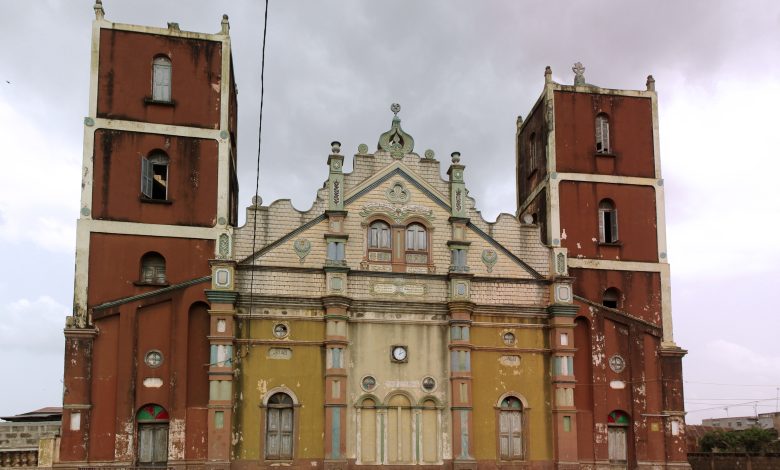
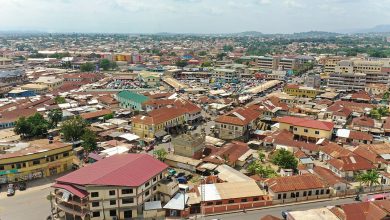
Begin with a local guide who can explain the city’s different historical and cultural influences. The official Porto-Novo destination page highlights Afro-Brazilian heritage and the Grande Mosquée. Treat the mosque first as a place of worship: ask about visitor access, appropriate dress and photography before entering or approaching worshippers.
Walk a compact route instead of setting out to find every old façade. Ask which buildings remain private, which have changed use and which parts of their history are known. Architecture can open a conversation about movement, commerce, return and power; it should not reduce the city to a collection of colourful walls.
Keep a proper midday break and confirm a suitable place for lunch. Ask directly about ingredients and preparation if you have dietary requirements. Resume with another short walk or a confirmed cultural visit when conditions are comfortable, then return using the transport arranged for your accommodation.
Day 2: One confirmed museum and the garden
Choose the day’s cultural visit only after checking current access. The government’s tourism overview identifies Honmè and the Alexandre Sènou Adandé museum, while the tourism-development agency’s Porto-Novo project describes rehabilitation and new museum plans. Those project descriptions do not establish live opening hours or unrestricted admission.
Ask your guide to confirm the actual site, accessible areas, interpretation language, fee and whether a booking is required. If a building is closed or undergoing work, replace it with a verified alternative rather than promising an interior visit. Do not assume the planned International Vodun Museum is open simply because it appears in a development programme.
For a quieter block, consider the Jardin des Plantes et de la Nature, listed by the destination authority. Confirm access and conditions locally. Keep paths and any wildlife rules in mind. An optional Adjarra outing requires its own transport and operator checks; it should replace part of the day rather than be added automatically at the end.
Culture, permission and photographs
Vodun and other religious traditions are part of present-day life. Ask how to behave at a shrine, ceremony or sacred place and accept that some visits or photographs are inappropriate. Never assume a guide’s availability creates permission from a community. Agree any fees openly, and avoid asking people to perform a practice for a photograph.
For another culture-focused West African stay, compare our Koforidua guide or Ziguinchor guide. They are separate journeys requiring their own border, transport and safety planning.
Transfers, accommodation and current advice
Cotonou airport is the international gateway described by Benin Tourism. Arrange a vetted driver and vehicle, confirm pickup identification and allow traffic time to Porto-Novo. A map’s distance does not give a reliable airport-transfer duration. Avoid an unplanned road journey after dark, and do not assume public transport is suitable for a first arrival with luggage.
Choose a Porto-Novo property after checking room cooling, water, reception hours, meals and secure pickup access. Staying in Cotonou can suit a wider itinerary but adds repeated transfers. Compare the complete cost of lodging, driving, guiding and confirmed admissions before choosing a base.
Read current safety advice and regional restrictions. This southern city itinerary does not imply that northern parks or border areas are suitable extensions. Check entry rules for your passport through the Beninese authorities. Published yellow-fever summaries differ: consult the official health-control notice and confirm current requirements with your carrier or consulate; obtain travel-health advice separately.
Your next step: confirm entry and health arrangements, then obtain a two-day plan naming the sites actually open and the return transfers. Use our Africa hub to compare the wider journey before adding countries.
Sources checked 1 November 2026. Reconfirm site access, fees, travel advice and entry arrangements before booking.
Photo: Babylas, Grande mosquee porto-novo, photographed in 2009, CC BY-SA 3.0, via Wikimedia Commons. Historical view, resized/recompressed display copy.

One Comment