Dakar in 3 Days: Food, African Art and Gorée
Dakar rewards a city break built around food, art and living history rather than a hurried checklist. Three full days give you a workable introduction to Senegal’s capital and a separate visit to Gorée. The important decision is where to sleep: a central cultural base and an Atlantic-side hotel produce different travel days.
Dakar at a glance
| Decision | Useful starting point |
|---|---|
| Time needed | Three full days, plus arrival and departure time. |
| Best fit | Food, museums, heritage and neighbourhood exploration. |
| Main constraint | Traffic and the distance between chosen sights. |
| Book first | Accommodation, airport transfer and any specialist guide. |
When to visit
For a walking-focused first trip, start comparing dates from November to April. This is a planning preference, not a weather guarantee. Official Senegal travel guidance identifies June to September as the rainy season and notes that heavy rain can damage roads. Check forecasts and local conditions close to departure.
Allow shaded breaks and carry drinking water in any season. Religious holidays can affect traffic, opening arrangements and meal availability. Confirm your actual travel dates with accommodation and guides rather than assuming every attraction follows the same calendar.
A realistic three-day Dakar itinerary
Day one: Plateau, African art and a proper lunch
Make one museum your anchor. The Musée Théodore Monod is in Plateau and offers an introduction to African cultural heritage. Confirm current exhibitions and visitor arrangements before setting out; leave time to look rather than treating it as a quick photo stop.
Follow with a nearby lunch and a short guided neighbourhood walk. Ask about ceebu jën, the Senegalese fish-and-rice culinary tradition recognised by UNESCO. Its origins are associated with Saint-Louis, so describe it as Senegalese heritage rather than claiming Dakar invented it. Explain allergies and ask about ingredients.
Day two: Gorée as a place of memory
Give Gorée its own day rather than attaching it to a distant coastal excursion. The Dakar–Gorée ferry operator provides current departures and booking information. Check your terminal, return options and any passenger documentation before leaving the hotel. Do not base your return on a timetable copied from an old blog.
The UNESCO-listed island is a site of memory associated with the Atlantic slave trade. Visit respectfully, listen to informed interpretation and ask before photographing people. The Historical Museum of Senegal adds wider context. Build in lunch and an unhurried walk, while leaving margin for the ferry back.
Day three: choose your interest, not another long list
Choose a guided art-and-design outing, a food experience or time along the Atlantic side of the city. Confirm which studios or venues welcome visitors and whether reservations are needed. Avoid crossing the peninsula repeatedly for isolated stops.
If a beach visit matters, ask locally about conditions and supervised swimming. A coastal view is not a promise of safe water. Leave your final evening flexible, especially before an early airport transfer.
Where to stay and how to get around
Plateau: compare it for museum access and central sightseeing. Check evening food options, security and the exact hotel-to-attraction route.
Ngor or Almadies: consider an Atlantic-side base if coastal time matters more. Factor in journeys to central museums and the ferry; an ocean view does not shorten those transfers.
Pre-arrange airport transport through established accommodation or an authorised operator, and verify the driver’s identity. Agree taxi prices and destinations before boarding. Cluster outings geographically and add generous traffic margin. A first-time visitor need not self-drive to follow this plan.
Booking priorities and costs to check
Budget from actual quotes for rooms, airport transfers, local journeys, museum entry, guiding, meals and the ferry. Ask whether quoted services include waiting time, admissions and the return journey. Check payment methods, cancellation conditions and what happens if weather disrupts the island day.
For a cultural guide, confirm the language and subject expertise. Buying a longer tour is not useful if it replaces the time you wanted to spend listening, eating or looking.
Common mistakes and essential checks
Do not leave an airport transfer until arrival or schedule Gorée immediately after a flight. Read current official advice on entry, health, security and local laws for your circumstances. Avoid demonstrations, protect valuables and arrange transport after dark. This guide describes a city itinerary, not conditions throughout Senegal.
Continue planning
Still choosing a culture-focused African city? Compare Kumasi’s Asante heritage itinerary or Lusaka’s markets and museums as separate trip options. Then use our Africa planning hub to select your next guide.
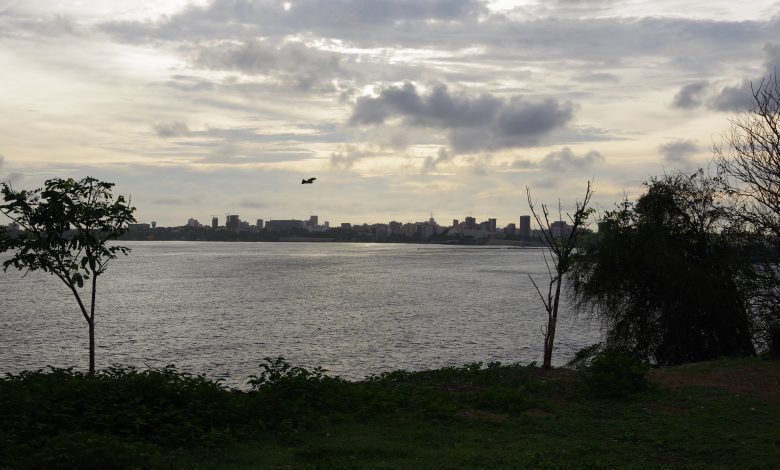
Researched on 7 October 2026; no recent personal visit is claimed. Featured photo: Dakar viewed from Gorée, by Fawaz.tairou, Wikimedia Commons, CC BY 4.0; displayed in resized versions.


4 Comments