Bolivia in 10 Days: La Paz, Uyuni and Sucre Planning
Bolivia Travel Guide: Things to Do in 2026
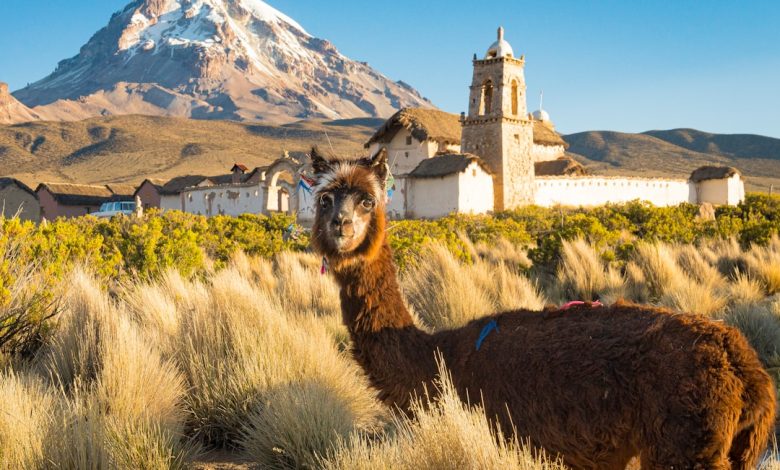
Bolivia is not a country to plan by distance alone. A practical first trip needs room for altitude adjustment, long transfers and weather changes. Ten days can connect La Paz, the Uyuni salt flats and Sucre, but only if you avoid adding another major region and protect the final international connection with a buffer.
Bolivia at a glance
| Recommended time | 10 days for three bases; 12–14 days for a slower route |
|---|---|
| Main decision | Fly selected long legs or accept more overnight road travel |
| Book first | A responsible Uyuni operator, long-distance transport and arrival accommodation |
| Physical factor | High altitude in La Paz, Uyuni and the Altiplano |
When to visit Bolivia
Across this Andean route, the drier months from roughly May to October often bring clearer skies and very cold nights. The wetter period can create reflections on parts of Salar de Uyuni, but surface water may also change routes or make areas inaccessible. Neither the mirror effect nor a specific desert circuit is guaranteed.
Pack for strong sun, wind and large temperature differences in every season. Check weather and road conditions shortly before each long journey rather than building the entire trip around an image seen online.
Days 1–3: La Paz without rushing altitude
Keep the arrival day light. Walk only as energy allows, eat simply and use the Mi Teleférico cable-car network for orientation. Altitude affects travellers differently; anyone with a relevant medical condition should seek personalised professional advice before the trip rather than relying on a blog.
On day two, explore the historic centre and markets with a qualified local guide if you want cultural context. Ask permission before photographing vendors, ceremonies or people in traditional clothing. On day three, choose Tiwanaku or another gentle city day. UNESCO recognises Tiwanaku’s monumental remains, but the excursion still involves transport and exposed conditions.
Days 4–6: Uyuni and the Altiplano
Reach Uyuni by a current domestic flight or long-distance bus schedule, then join a properly established operator. A one-day salt-flat tour suits travellers prioritising the salar itself. A multi-day circuit adds lagoons, volcanoes and desert scenery but also long hours in a four-wheel-drive vehicle, basic accommodation and greater exposure to altitude and cold.
Before paying, ask for the passenger limit, room type, meal plan, vehicle and communication arrangements, guide language, emergency process and weather-cancellation terms. Confirm whether the route returns to Uyuni or ends near a border; those are different products with different transfer risks.
Days 7–9: Sucre at a slower pace
Sucre provides a useful contrast to the Altiplano. Its historic centre is recognised by UNESCO and includes the Casa de la Libertad within a wider urban landscape. Spend at least two full days on streets, museums, markets and local food rather than treating the city only as a stop between buses.
If choosing a rural, textile or community visit, ask who leads it, what walking conditions to expect and how local participants benefit. Avoid turning homes or ceremonies into uninvited photo opportunities.
Day 10: departure buffer
Use the final day as a recovery margin near the airport or in your departure city. Weather, roadblocks, demonstrations and schedule changes can disrupt overland travel. Review current advice from your own government and airline before departure, and do not connect a long bus directly to a non-refundable international flight.
Where to stay and how to move
- La Paz: choose a base near a cable-car station or services that reduce steep walking.
- Uyuni: the town is practical before an early tour; remote salt hotels prioritise atmosphere over flexibility.
- Sucre: the historic centre suits walking, but check vehicle access if carrying heavy luggage.
Compare flights and buses by total journey time, baggage rules, recovery margin and overnight comfort—not price alone. A short distance on the map can still mean a demanding mountain journey.
Booking checklist and common mistakes
- Confirm current entry rules with the authority responsible for your nationality.
- Do not schedule strenuous activity immediately after a high-altitude arrival.
- Ask detailed safety and inclusion questions before selecting an Uyuni tour.
- Carry layers, sun protection, water and any prescribed medication.
- Leave a buffer before every fixed international connection.
Frequently asked questions
Is ten days enough?
Yes for La Paz, Uyuni and Sucre with disciplined transfers. Add days if you want Potosí, Lake Titicaca, the Amazon or a border crossing.
Should I book the mirror season?
Choose the wetter period only if you accept route changes. Reflections depend on actual surface and weather conditions, not the calendar alone.
Continue planning
Compare the route with our Peru guide and Chile planning article, then use the South America hub. Add a neighbouring country only when the border and transport time genuinely fit.
Sources checked in October 2026: UNESCO’s Tiwanaku and Historic City of Sucre profiles, plus current government travel guidance for transport disruption and safety checks. Reconfirm conditions before departure.


One Comment