Seoul Trip Advisor | Top Attractions, Hotels & Foods in Seoul
Seoul Travel Guide: Things to Do in 2026

Seoul is too spread out for a sensible itinerary to jump between every famous district each day. Give a first visit four full days and group nearby places together. That leaves room for palace history, market food, contemporary culture and an evening that does not depend on racing for the last train.
Seoul at a glance
| Decision | Useful starting point |
|---|---|
| Recommended stay | Four full days; three if you narrow your interests |
| Hotel base | Jongno for heritage, Myeongdong for central convenience, Hongdae for music and airport-rail access |
| Transport | Subway and walking, with a planned late-night alternative |
| Reserve first | Any essential palace garden tour, performance or workshop |
When to go
Spring and autumn are good starting points for travellers who want long walking days. Blossom and foliage dates vary, so build a trip that still works without a perfect seasonal photograph. Summer brings heat, humidity and periods of heavy rain; keep indoor alternatives and check weather alerts. Winter needs warm layers and a shorter outdoor plan rather than the same itinerary with a different coat.
Check public holidays and major events before booking accommodation. They can affect availability and attraction arrangements. A festival mentioned in an old guide is not proof that it runs annually or at the same location.
A four-day route through Seoul
Day 1: Palace history and Insadong
Choose Gyeongbokgung or Changdeokgung as your main palace rather than treating both as a quick checklist. Check the Korea Heritage Service palace information and reservations for closures, admission and tour rules. Changdeokgung’s Secret Garden has separate viewing arrangements; do not assume general palace admission guarantees access.
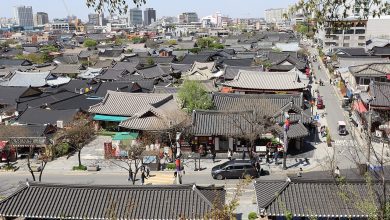
Continue towards Insadong for galleries, craft shops and tea. If you include Bukchon, follow the official village visitor guidance. As checked on 22 October 2026, the designated red zone allows tourist visits from 10:00 to 17:00, with tourist entry prohibited outside that window. Read local signs because the rule concerns a specific managed area. Keep voices low and respect homes throughout the neighbourhood.
Day 2: Markets and the central city
Start around Gwangjang Market, where bindaetteok mung-bean pancakes and other cooked dishes make a useful food-focused stop. Gimbap is a Korean rice-and-seaweed roll with varied fillings; describing it simply as sushi misses its identity. Ask about ingredients, including seafood stock or meat, instead of assuming a dish is vegetarian.
Walk a manageable section of Cheonggyecheon if conditions allow, then choose Myeongdong or Namdaemun according to whether you prefer retail streets or a traditional market. Carry a payment backup for small stalls, check displayed prices and leave room for a sit-down meal.
Day 3: Museums and a different neighbourhood
Choose a substantial museum visit, such as the National Museum of Korea, then make one neighbourhood your afternoon focus. Hongdae suits music and independent shops; Seongsu suits cafés, design and changing retail spaces. A long queue at a fashionable shop is optional, not a requirement for experiencing the city.
Reserve a performance or workshop only through its current organiser. Avoid planning around outdated festival names or assuming a tower fireworks show happens every year. For a gentler evening, choose a restaurant near your accommodation and enjoy the streets without a cross-city return.
Day 4: River time or one special interest
Use the final day for a Hangang park visit in suitable weather, another collection, or a district linked to your own interests. Namsan is another option, but check access and weather before paying for a view. Keep distant excursions for an extra day; a four-day city stay does not need an ambitious day trip added to every morning.
Where to stay and getting around
Choose a hotel by its station and exit, not just the neighbourhood label. Jongno can reduce heritage-area transfers. Myeongdong is convenient for many central visits. Hongdae works for evening activity, but noise varies by street. A hanok stay can be memorable; check bathroom arrangements, luggage access, floor sleeping and sound insulation before booking.
Use the city’s official transport guide to compare payment options and routes. A rechargeable transport card can simplify ordinary journeys, but check coverage and charging methods. Airport express services and sightseeing passes have their own conditions. Compare the pass with your actual itinerary rather than assuming it saves money.
Save your accommodation address in Korean and check the last useful train, including transfers. Ordinary subway services do not provide an all-night journey home. Keep an authorised taxi alternative and allow extra time at large stations. If step-free travel matters, verify the particular entrance, lift and interchange.
What to book and what to leave flexible
- Book essential garden visits, performances and small-group activities before arranging nearby meals.
- Allow for weekly palace closures and special holiday arrangements.
- Keep one indoor option for rain or uncomfortable temperatures.
- Ask permission before photographing people and avoid blocking residential lanes.
- Budget from live accommodation and attraction quotes, including cancellation terms.
Continue planning
Have more time in Korea? Compare our three-day Daegu itinerary before extending the route. For a wider regional trip, browse the Asia destination hub and our Japan travel guides; check transport and entry requirements separately before combining countries.