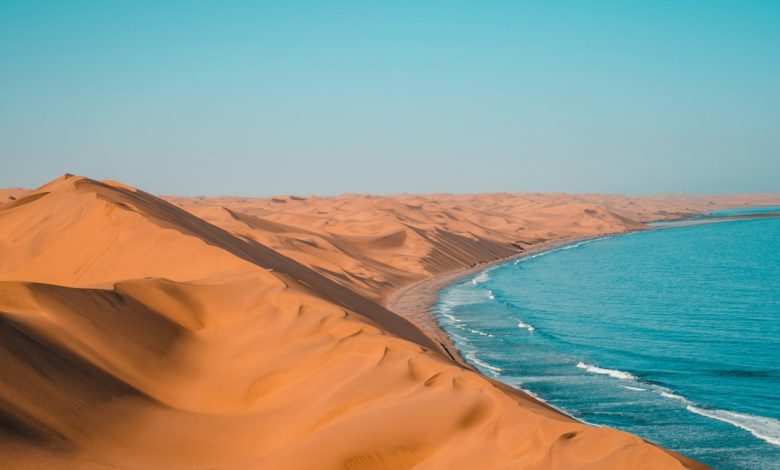
Namibia is rewarding when the itinerary respects distance. A map can make Sossusvlei, the Atlantic coast and Etosha look like neighbouring stops, but gravel roads, fuel breaks and wildlife viewing turn transfers into substantial days. For a first trip, plan roughly ten days for a compact loop and add time before extending into the northeast.
| Decision | Practical choice |
|---|---|
| First-trip length | About ten days for dunes, coast and Etosha, with arrival and departure buffers |
| Travel style | Self-drive if comfortable on gravel; guided trip for less driving responsibility |
| Accommodation priority | Reserve key park and desert nights before filling the route |
| Main limitation | Long transfers and changing road conditions |
A realistic ten-day Namibia route
Days 1–2: Arrival and the road to Sesriem
Use the arrival day in Windhoek for rest, supplies and the vehicle handover. Request a demonstration of tyre changes, equipment and emergency contacts. An overnight stop is particularly useful after a long flight; do not combine jet lag with your first major gravel-road drive.
Continue towards Sesriem the following day, using a route approved for your vehicle and current conditions. Arrive with daylight to spare. The Sesriem area is a base for the dunes, but accommodation location matters: confirm which gate arrangements apply to your property rather than assuming identical sunrise access everywhere.
Day 3: Sossusvlei and Deadvlei
Start early enough for cooler conditions, subject to current park rules. Discuss the final sandy approach with your accommodation or operator: vehicle suitability and driver experience matter, and a shuttle may be the better choice. Carry water, sun protection and shoes suitable for hot sand. A dune climb is optional; choose a manageable walk rather than treating a difficult summit as compulsory.
Days 4–5: Swakopmund and the coast
Allow a full transfer day to the coast instead of adding a tightly timed afternoon activity. Swakopmund offers a useful pause from the desert: cafés, coastal walks and a base for licensed excursions. Ocean conditions can be cool and foggy, so pack a layer. For marine or dune activities, check operator credentials, weather cancellation arrangements and insurance coverage.
Day 6: A transfer with room to stop
Plan the journey towards Etosha around realistic driving conditions. An intermediate overnight may be worthwhile if your chosen accommodation or detour creates a long day. Spitzkoppe or other regional attractions deserve allocated time, not an optimistic stop added to an already demanding transfer.
Days 7–8: Etosha wildlife viewing
Two full days gives room to explore different waterholes and avoid relying on a single game drive. Choose accommodation according to the gates and areas you intend to visit. Namibia Wildlife Resorts’ Okaukuejo information is a useful starting point for park accommodation.
Follow posted rules, remain in the vehicle except at authorised locations and keep distance from wildlife. Sightings are unpredictable. Confirm opening times and daily travel limits locally, then leave enough time to reach your accommodation before gates close.
Days 9–10: Return and departure buffer
Return towards Windhoek with a final overnight before an international departure where possible. Vehicle checks, refuelling and airport transfers require time. If ten days feels rushed for your driving confidence, reduce the route or extend the stay rather than removing every buffer.
Timing, transport and accommodation
The drier period often suits road travel and waterhole-focused wildlife viewing; the rainy season can change gravel-road conditions substantially. Desert heat and cool coastal weather may occur on the same trip. Reconfirm park access and road advice for your month rather than relying on generic temperature tables.
Compare rooms, campsites and guided packages by included meals, driving, equipment and park access. A lower room rate can be offset by a long daily journey. Check vehicle insurance exclusions, roadside assistance, permitted routes and spare tyres before payment.
Before you book
- Reserve the hardest-to-replace accommodation first.
- Carry water and appropriate emergency supplies, and download offline maps.
- Avoid driving outside towns after dark; wildlife and livestock are road hazards.
- Check nationality-specific entry requirements with the relevant official authority.
- Arrange reputable transport in Windhoek and keep valuables out of view.
Consult the current FCDO Namibia safety guidance alongside advice from your own government. Cultural visits should be community-led, with consent for photographs and a clear understanding of where payments go.
Continue planning
Compare safari logistics in our Botswana guide, see a different city-and-nature combination in the Cape Town itinerary, and use the Africa planning hub to choose the next part of your journey.



2 Comments