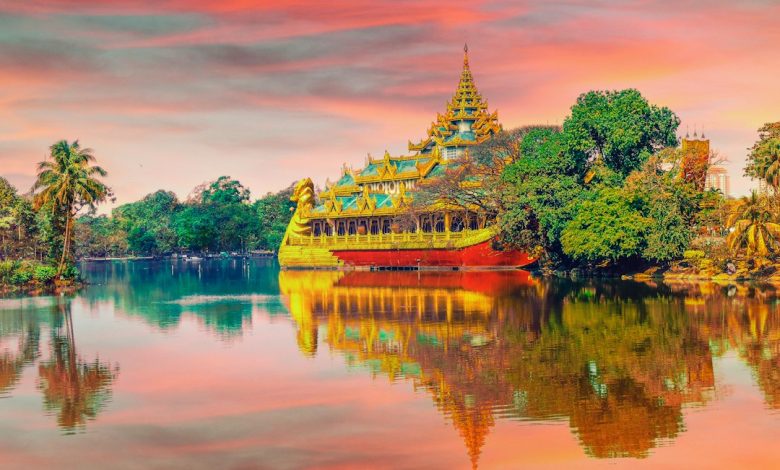
Safety advice checked on 4 October 2026. Myanmar has an extraordinary cultural heritage, but a normal sightseeing itinerary is inappropriate while armed conflict and serious travel restrictions continue. This guide explains the current planning decision and the background to its best-known places. It does not recommend a leisure trip or imply that a destination is safe because a hotel or excursion is advertised online.
Should you plan a holiday in Myanmar?
The US Department of State advisory, issued on 8 May 2026, lists Burma at Level 4: Do Not Travel. The UK Foreign, Commonwealth & Development Office advice, current when checked on 4 October, advises against all travel to specified regions and against all but essential travel to others. These are nationality-specific government advisories, not a safety guarantee for areas outside a listed restriction.
Read your own government’s complete advice and discuss any essential journey with your organisation and insurer. A valid visa, an available flight or a supplier accepting payment does not resolve the security decision. For ordinary holiday planning, consider another destination and keep Myanmar’s heritage as a subject to explore through books, museum collections and responsible cultural research.
Why old itineraries need caution
Older guides often connect Yangon, Bagan, Mandalay, Inle Lake and Ngapali as a simple circuit. That sequence overlooks how conditions differ between regions and can change quickly. Do not treat an old travel blog, social video or tour brochure as evidence that a road, airport or excursion is operating safely today.
Government advice identifies risks including conflict, explosive remnants, unpredictable restrictions and limited emergency assistance. Avoid relying on a generic hiking recommendation or a promise that a local guide can make an affected area safe. Our previous descriptions of rural hiking and beach holidays have been withdrawn as routine booking advice.
Cultural background: Bagan and Yangon
UNESCO’s Bagan profile describes a sacred landscape associated with the Buddhist civilisation of the Bagan period. Its temples, stupas, monasteries and archaeological remains help explain the site’s importance. Heritage designation establishes cultural significance; it does not establish present-day access, permission to climb monuments or suitability for travel.
Yangon is widely associated with Shwedagon Pagoda, historic streets and urban market life. A cultural overview cannot confirm current admission arrangements, neighbourhood conditions or whether an activity should be undertaken. We have therefore removed unconditional instructions to visit particular sights, take a balloon flight or climb a temple for sunrise photographs.
What to verify for an essential journey
- Purpose and advice: document why the journey is necessary and check the latest guidance for your nationality and exact route.
- Insurance: obtain written clarification about destinations, exclusions and emergency assistance before making commitments.
- Transport: confirm arrangements directly with the responsible provider shortly before each journey; an old timetable is insufficient.
- Documents and communication: use the official entry guidance relevant to your passport and maintain a practical communication plan with trusted contacts.
- Support: read your government’s consular information and understand the limits of assistance.
This checklist is a starting point for discussing essential travel with qualified advisers. It cannot make a journey safe or replace current government guidance. We quote no fees, permits, departure times or attraction opening hours because those details would require separate, current verification.
Continue planning another cultural trip
If you are seeking a researched city itinerary, compare our Luang Prabang three-day guide and Hanoi three-day itinerary. They are different destinations with their own entry, weather and safety considerations, rather than substitutes with identical experiences. Use the Asia planning hub to choose a route suited to your interests, then check the relevant official advice before booking.
Editorial note: this is a research-based guide. Our editorial approach explains how we distinguish professional planning experience from destination research. Send corrections with the page URL through our Contact page.