Ziguinchor in 3 Days: A Casamance City Base and Careful Route Planning
Ziguinchor suits travellers who want a city base for understanding Casamance, rather than assuming that southern Senegal is simply another beach stop. Give it three days for ordinary streets, market life, meals and one carefully arranged outing. The first decision comes before the itinerary: establish how you will arrive, which route you will use and whether current conditions support the trip. A regional tourism campaign does not replace those checks.
Start with current regional advice
The FCDO’s Casamance guidance, checked on 31 October 2026, describes a history of separatist violence and advises particular care near the Gambian and Guinea-Bissauan borders. Its road advice includes avoiding night travel and staying on main roads. Lower risk in principal tourist areas does not mean that every rural route is equally suitable.
Read your own government’s advice too, check insurance conditions and arrange any countryside travel with a reputable local operator who can explain the exact route. Do not improvise border-area detours or interpret a general destination recommendation as clearance for an unfamiliar road.
Best time and a realistic length
The Senegal tourism agency’s climate guide identifies November–May as the broad dry-season planning window and notes that rains last longer in the south. Start there for easier outdoor logistics, then check local conditions. The transition between seasons is not an overnight switch.
Three nights make sense if you want three useful days and an arrival that leaves time to settle in. Add a buffer when using transport that can be disrupted. Do not count a long road journey or overnight crossing as a full sightseeing day, and avoid booking a non-refundable onward connection immediately after it.
Choose transport before the hotel
The official transport overview describes the Dakar–Ziguinchor maritime link. Treat that as a route to investigate, then confirm present operation, vessel, booking conditions and boarding requirements with the operator. Do not rely on an undated timetable or assume all accommodation categories remain available.
If flying to the wider region, check the airport actually shown on the ticket and arrange the complete road transfer. If arriving overland, establish whether the route crosses another country and verify the relevant entry and transit rules for your nationality. This guide does not assume a particular airport is operating or prescribe a border crossing.
Our Dakar itinerary can help plan the capital portion separately. Leave genuine travel time between the two stays rather than joining them with a convenient-looking line on a map.
Day one: a guided introduction to the city
After arrival, take a short orientation walk with a knowledgeable local guide if useful for language or context. Ask for a route focused on everyday streets, public river views and local history. Keep the first day compact and confirm which places welcome visitors rather than expecting unrestricted access to every waterfront or working area.
Choose a meal that introduces regional ingredients and ask questions about preparation. Explain allergies and dietary needs clearly. Leave time for rest, especially after an overnight journey. A central dinner and a straightforward return to the hotel are more useful than an ambitious evening transfer.
Day two: market life and living culture
Use the morning for a market visit or a confirmed meeting with a maker, cook or cultural guide. Ask permission before photographing people and distinguish items made locally from goods brought in for resale. Agree the guide’s fee, language, duration and inclusions before starting.
The tourism agency’s Casamance introduction highlights the region’s cultural variety and river landscapes. Use that as context, not a promise of a performance or workshop on demand. Living traditions belong to the people who practise them; a respectful visit should follow the host’s invitation and boundaries.
For another West African stay organised around makers and everyday trade, compare our Koforidua guide. It is an alternative journey in Ghana, not an excursion from Senegal.
Day three: one optional outing, with a return plan
Consider a river or mangrove outing only after checking the operator, route, weather and safety equipment. Ask about suitable lifejackets, shade, drinking water, boarding conditions and the planned return. A boat advertised with attractive photographs still needs a clear practical explanation.
If conditions or arrangements are uncertain, stay in town for a slower morning and lunch. Do not replace a cancelled boat trip with an unplanned remote drive. Keep the final afternoon clear enough to organise onward travel without pressure.
Where to stay and what to book first
Choose a city property by its actual address, evening meal options, reception arrangements and transfer plan. A river-facing hotel can suit a slower stay, but verify the room, accessibility and what lies within a comfortable walk. The regional label Casamance covers a much wider area than Ziguinchor.
Use our Africa planning hub while comparing destinations. Avoid booking remote activities first, assuming a published route guarantees a departure, or leaving the return transfer unresolved.
Next step: confirm the safe arrival route and onward connection, choose a suitable city base, and add just one locally arranged outing once its details are clear.
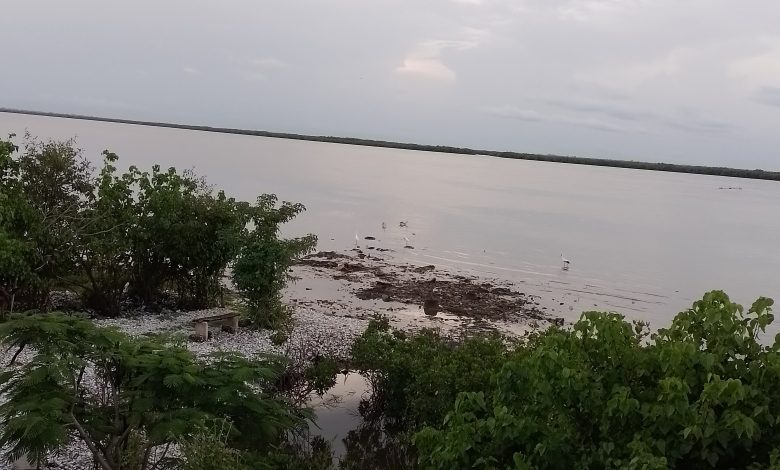
Photo: Ngomcheikh717, Bras de Mer – Ziguinchor, August 2023, CC BY-SA 4.0. Resized/recompressed display copy.