Kurashiki in 3 Days: Canal Streets, Art and a Thoughtful Overnight Stay
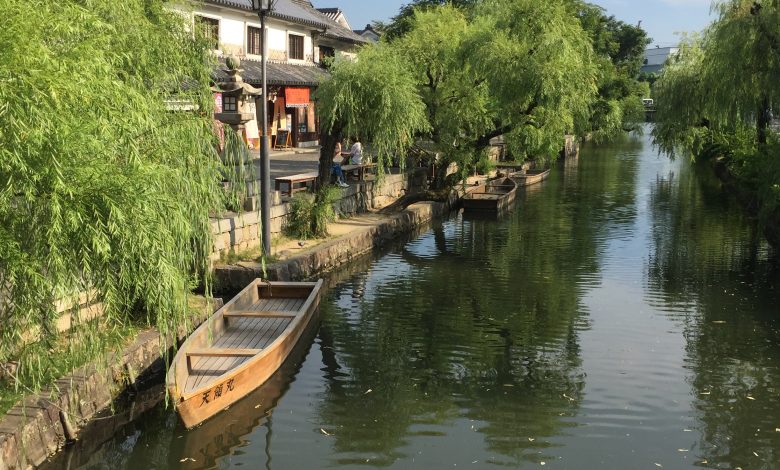
Kurashiki is easy to approach as a short canal-side stop, but an overnight stay changes the pace. You can give the Ohara Museum real attention, walk the Bikan Historical Quarter more than once and leave room for shops, food and local craft. Three days works for travellers who want that depth, especially if denim is another reason to visit.
The key decision is whether you need three usable days or a shorter two-night pause. A dedicated art-and-denim visit can fill the longer stay. If you mainly want a canal walk and one museum, two days may be enough. Compare the style of trip with our Kanazawa guide, then choose the place that best fits your wider route.
Best time: comfortable walks or a winter museum stay
Spring and autumn are sensible starting points for walking, while summer requires more breaks from heat and humidity. Winter can suit art-focused travel, provided you plan around shorter museum hours rather than filling late afternoons with indoor visits. Do not book around an assumed blossom date or a photograph from a different season.
Choose dates after checking the Ohara Museum calendar. Its current visitor information, checked on 1 November 2026, lists regular Monday closure with holiday exceptions, and shorter December–February hours. Individual buildings also have differing hours. A museum-first visit should not depend on arriving shortly before closing.
Day 1: Find the canal and understand the quarter
Arrive, leave luggage at your accommodation if confirmed, and walk a manageable route through the Bikan district. The official Okayama tourism listing highlights its white-walled storehouses, willow-lined scenery and cultural facilities. Read the local interpretation and leave time to notice how commercial buildings have found new uses.
Keep the first afternoon flexible for a café, small museum or shop that interests you. A canal boat ride is optional: check current ticketing, weather arrangements and access with the local visitor office rather than treating it as a service you can summon at any time. You can enjoy the waterfront without a boat reservation.
Return later for another look, while remembering that this remains a lived-in neighbourhood. Keep voices low near homes, avoid blocking bridges and respect photography restrictions inside private businesses. Confirm dinner opening days; a charming lane at lunchtime does not guarantee a late meal.
Day 2: Ohara Museum without rushing
Make the museum the day’s anchor and choose the rest of the schedule around it. The Japan National Tourism Organization overview explains its merchant patronage and Western and Japanese art. Before entering, check which buildings and exhibitions your ticket covers rather than assuming every nearby cultural property belongs to one admission.
As checked on 1 November 2026, the museum lists general admission at ¥2,000. Reconfirm the current category and any concessions directly. Follow its photography rules, use baggage storage as directed and ask about accessibility in the specific buildings you want. An entrance ticket is not a promise that a work currently on loan will be displayed.
After lunch, choose a smaller cultural stop around the historical quarter or explore the covered shopping streets. The city tourism guide helps distinguish the area’s individual museums and residences. Resist buying several admissions simply because their entrances are close together.
Day 3: Kojima denim or a slower second look
If Japanese denim is a serious interest, give Kojima its own transport and shopping block. JNTO identifies it as a centre of denim production and specialist shops. It is a different part of the city, not an extension of the short canal walk. Check the actual route, shop opening days and the return journey before departing.
Ask about fit, alterations and collecting purchases before ordering. A retail visit does not guarantee factory access or a demonstration; any workshop requires confirmation. If denim is only a passing curiosity, remain in central Kurashiki for another gallery, local lunch and time you did not have yesterday. That is a valid reason to stay overnight, too.
Getting there and choosing the right station
The museum’s access page describes routes via Okayama or Shin-Kurashiki followed by the local Sanyō Line to Kurashiki Station. Check the exact journey with the railway operator. Kurashiki and Shin-Kurashiki are different stations; do not book a hotel or taxi using an approximate name.
A station-area hotel suits onward rail travel, while a Bikan-area property can make evening and early walking easier. Compare the final walk, reception hours, luggage arrangements and meal options. Ask about steps and room access in restored buildings. You do not need a rental car for this central itinerary, although a wider regional route may change the calculation.
Booking order and a useful next step
Confirm your rail route and accommodation, then museum days and any specialist experience. Compare pass costs with the trains you will actually use rather than assuming a rail pass pays for itself. Check current Japan travel advice and official weather or transport notices before departure.
Your next step: choose art, denim or a compact canal stay as the priority, then reserve the number of nights that supports it. Our Japan hub and Asia hub can help connect the trip without adding unnecessary hotel changes.
Sources checked 1 November 2026. Reconfirm prices, opening calendars and transport for your dates.
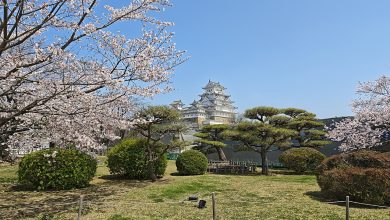
Photo: Malaiya, Kurashiki Canal Area, CC BY-SA 4.0, via Wikimedia Commons. Resized/recompressed display copy.

One Comment