Tarija in 3 Days: Plazas, Food and a Responsible Wine Route
Tarija rewards travellers who choose depth over a checklist. This three-day plan connects local culture, practical transport and one weather-flexible decision, with enough margin for the trip to remain enjoyable.
Planning note: Current European and Asia-Pacific travel research points toward meaningful local culture, regional dispersal and lower-pressure city breaks. That is a planning signal rather than proof of demand for this particular city; the itinerary below is built from current destination and transport guidance.
Best time and how many days
Tarija’s valley climate is milder than many Bolivian highland cities, but strong sun, cool nights and seasonal rain still matter. Check the forecast and road conditions close to travel. Three nights allow one gentle arrival day, one city day and one wine-valley day. Add a buffer if your onward flight or bus is essential.
Where to stay
Choose the historic centre for plazas, restaurants and short daytime walks. A countryside wine property is better as a dedicated retreat than a base for frequent city transfers. Confirm hot water, heating or cooling, payment options, airport pickup and luggage storage. Do not assume every international card will work at every small business.
Day 1: Build local context
Begin slowly around Plaza Luis de Fuentes y Vargas and the historic centre. Visit one museum or cultural centre after confirming its current hours, then take a long lunch. Tarija’s altitude is moderate by Bolivian standards but travellers arriving from low elevation should still hydrate, limit alcohol at first and avoid an ambitious first afternoon.
Day 2: Culture, food and landscape
Use the second day for the municipal market, regional dishes and city heritage. Ask before photographing vendors and choose a guide if you want detailed historical context. Keep the route compact and use a known taxi after dark. A riverside walk can work in good weather, but local advice should determine the safest access and return.
Day 3: Make one clear choice
Book the wine and singani route with a named operator or directly confirmed producers. The municipal tourism site presents vineyards between Tarija and Valle de la Concepción; arrange transport that removes any need to drive after tasting. Ask what is included, how many stops are realistic and whether lunch requires a separate reservation. Non-drinkers should request an agriculture-and-food emphasis.
Transport and booking priorities
Tarija has air and long-distance road links, but weather and road events can disrupt them. Verify the current terminal, airline notice and pickup time. As of 1 November 2026, the UK travel advisory reports a nationwide state of emergency and possible roadblocks; follow local authorities, avoid protests, never try to cross a roadblock and allow extra time. Within the city, use a hotel-arranged or reputable radio taxi and save the address offline. Leave the final evening clear before an important morning departure.
A practical booking checklist
Book the first two nights in Tarija before adding excursions. Save the property address offline, request any early or late transfer in writing, and record the cancellation deadline. For a paid day trip, ask for the operator name, pickup point, approximate return, inclusions and weather policy. Recheck the key venue on its own official page 48 hours before visiting; directory listings and social posts can outlive a closure. Carry a payment backup and enough local currency for small purchases without keeping everything in one wallet.
Keep the final half-day near your departure point. That margin absorbs rain, a delayed bus, changed museum access or a long lunch without threatening the next connection. Download an offline map, share the itinerary with a trusted contact and use current government travel advice for health, insurance and security decisions. The plan should still work if one attraction closes: replace it with a nearby indoor stop or a slower neighbourhood meal rather than crossing the city for a substitute.
Common mistakes
Common mistakes include treating the wine route as spontaneous bar-hopping, ignoring sun and hydration, and relying on an old museum schedule. Never claim a vineyard is the world’s highest without a precise source; the municipality itself describes the area more carefully as among the high-altitude wine regions. Check current government travel advice and medical cover.
Plan your next step
Reserve a central first-night hotel and a transport-included wine day, then keep your arrival afternoon light until you know how your body and the roads are behaving. For more regional context, use our continent planning hub, compare a complementary guide to another regional city, and verify the latest details with the official destination source. You can also compare the visual character of recent destinations in the World Trip Advisor photo gallery.
Sources checked
Checked 2 November 2026: official destination guidance; current official transport and weather guidance should be checked again for the exact travel date. Trend context was drawn from current OECD, European Travel Commission and regional travel research and is used as a planning signal, not a demand forecast.
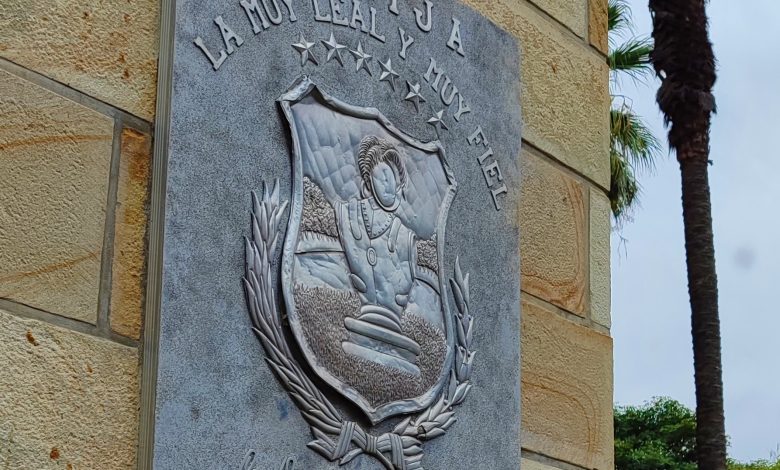
Featured photo: Plaza Principal Luis De Fuentes y Vargas 03.jpg by Parallelepiped09, CC BY-SA 4.0, via Wikimedia Commons. Display copy may be resized or recompressed.

