Salalah in 3 Days: Khareef, Beaches and Dhofar Planning
Salalah is one of the most distinctive destinations in Oman because its landscape changes dramatically with the seasonal Khareef monsoon. A three-day visit can combine the city, frankincense heritage, beaches and a green mountain or wadi route, but the right itinerary depends on whether you want misty seasonal scenery or clearer coastal and desert views. Plan one flexible day because weather can affect viewpoints and roads.
Salalah at a glance
| Decision | Practical answer |
|---|---|
| Best length | Three days for Salalah highlights; add a fourth for a slower Dhofar route |
| Best season | June to September for Khareef greenery and mist; other months for clearer coastal conditions |
| Getting around | A rental car or confirmed private transfer is useful for beaches, wadis and viewpoints |
| Book first | Accommodation and airport transport; keep weather-dependent outings flexible |
Day 1: Salalah city and frankincense heritage
Begin with a calm city orientation and check the day’s weather before heading farther west or into the mountains. Visit Al Baleed Archaeological Park and the Museum of the Frankincense Land if they fit your interests, confirming current access and opening arrangements first. The site connects Salalah to the wider history of frankincense trade and gives useful context before you explore Dhofar’s landscapes.
Continue through local markets for frankincense, Omani food and everyday shopping. Buy from transparent sellers and ask about product origin rather than treating the market as a photo stop. Keep the evening relaxed, especially during Khareef when mist, damp roads and crowds can make transfers slower.
Day 2: Mughsail coast and western Dhofar
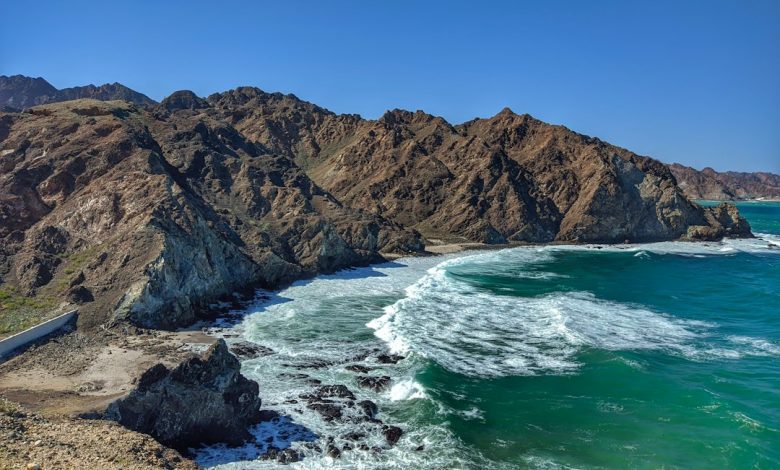
Use the second day for a western coastal route towards Al Mughsail Beach. The journey is part of the experience: dramatic cliffs, sea views and seasonal greenery create a different rhythm from the city. Stop only where it is safe and permitted, and be cautious around blowholes, slippery rocks and rough surf.
During Khareef, visibility can change quickly. Carry a light waterproof layer, protect phones and cameras from spray, and leave time for the return drive. Outside the monsoon season, the same route may feel brighter and drier, so choose stops according to current conditions rather than relying on photographs from another month.
Day 3: Wadi Darbat or a flexible mountain day
Wadi Darbat is a strong choice for a nature-focused day, especially when seasonal water and greenery are present. Confirm road access and local conditions before setting out. Take water, sun protection and suitable shoes. Make this a weather decision rather than a fixed booking: the FCDO’s Oman guidance, checked 1 November 2026, warns of dangerous flash floods in wadis. Avoid a wadi where heavy rain is forecast and for at least a day afterwards; follow local closures and never drive through floodwater. A dry-looking approach road does not override a warning for the wider area.
If the weather is poor, replace the long route with museums, markets, cafés and a slower city day. This is one reason not to schedule an early flight immediately after a full excursion. Salalah is more enjoyable when you allow the landscape to determine the pace.
Where to stay and practical transport
Choose accommodation based on the area you plan to explore, not only the lowest displayed rate. A city base can suit first-time visitors who want restaurants and simple airport access, while a coastal location may be quieter but less convenient for repeated drives. Confirm transfer availability, parking, air-conditioning and late-arrival arrangements.
Check Oman’s official eVisa portal for rules applicable to your nationality; never rely on an old blog summary. For driving, confirm insurance, fuel arrangements and the exact road route. A local guide or private driver can be useful for weather-sensitive mountain routes.
Before you pay for an excursion
Next step: ask your driver for the exact stops, road conditions, vehicle suitability, return time and rain-cancellation policy in writing. Compare the coast and mountain options against the current forecast, then keep a city alternative ready. Do not add an unplanned off-road detour to an ordinary rental-car booking; confirm insurance and equipment first. Protect a separate airport-transfer window instead of relying on the excursion finishing early.
Common mistakes to avoid
- Planning every day around a fixed viewpoint during Khareef.
- Assuming coastal roads and wadis have identical conditions year-round.
- Underestimating drive time between city and countryside stops.
- Entering water or cliff areas without checking local safety guidance.
Frequently asked questions
When is the best time to visit Salalah?
June to September is the Khareef season, when Dhofar becomes greener and mistier. Other months can suit clearer coastal sightseeing.
Do I need a car?
A car or confirmed private transfer makes western beaches and mountain areas easier. Central Salalah can be explored with organised transport and taxis.
Is three days enough?
Three days works for city heritage, one coastal route and one nature day. Add a fourth day for weather flexibility.
Continue planning: explore our Asia travel hub, then compare Oman’s landscapes with our Dubai guide or Zanzibar guide.
Featured photograph: Dhofar coastline near Salalah by Jithin Daniel James via Unsplash, hosted locally by World Trip Advisor.
Sources checked: Experience Oman’s Dhofar guide, its Khareef information and the Royal Oman Police eVisa portal. Confirm current access, weather, road and visa information before travel.