Port Lockroy: How to Plan an Antarctic Cruise Landing
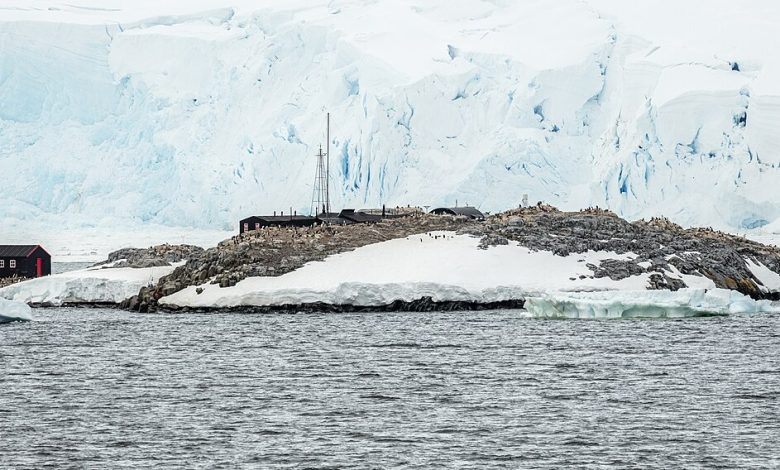
Visit Port Lockroy on an Antarctic Peninsula expedition, and book the voyage only if you would enjoy it without that landing. The museum and Penguin Post Office are on tiny Goudier Island, where sea conditions, weather, wildlife and the expedition team’s decisions can change the plan. There is no regular passenger ferry or hotel on the island. Your ship is your base.
What a Port Lockroy stop can look like
| What the itinerary says | What to ask the operator |
|---|---|
| Possible landing | Does this ship normally offer shore landings, and what boarding and mobility requirements apply? |
| Cruising in the area | Is a shore visit offered or is this a view from the ship or an excursion boat? |
| Port Lockroy listed by name | How does the expedition handle a missed landing or site closure? |
The British Antarctic Survey site records track landings at Goudier Island. For context, IAATO’s Antarctic tourism statistics cover a wider area and count several kinds of travel. They cannot tell you whether your ship will land here. Compare ships and itinerary style first; treat the named site as a possibility.
Best time and realistic trip length
Consider a Peninsula voyage during the austral summer, when the UK Antarctic Heritage Trust operates the historic base. The exact programme varies by voyage and season. The useful time to budget is the whole expedition, including embarkation and the sea crossing or flight arrangements. For a sea route, start by comparing departures that give you several days in the Peninsula area, then allow separate time at the gateway before boarding.
If wildlife or polar history matters more than a particular date, compare the whole itinerary rather than selecting a voyage for a single attraction. A longer itinerary may offer more time in the region, but extra days do not reserve a site. Ask what kinds of shore visits and alternative activities are usual when the itinerary changes.
How to plan the visit
Before embarkation: choose a ship and gateway
Confirm the actual departure city, flight arrangements and whether the advertised price includes transfers, equipment and excursions. If your voyage starts in Ushuaia, sleep there before embarkation rather than depending on a tight same-day flight. For an air-and-cruise itinerary, confirm the gateway and the operator’s weather-delay policy before booking independent flights. Review insurance requirements and evacuation cover with the operator and insurer.
On expedition: prepare for the landing briefing
Staff decide whether conditions and site rules allow a visit. Listen to the briefing, follow equipment and biosecurity instructions, and ask about transfer steps if you have a mobility concern. A small boat ride and a rocky or wet landing require different preparation from a paved shore excursion. Stay on the route assigned by staff and keep out of wildlife’s path.
Read the Antarctic Treaty visitor site guidelines before departure. Follow the expedition team’s current instructions on the day; published information does not override temporary restrictions or conditions at the landing.
On shore: pick one or two priorities
Base A tells the story of a former British Antarctic base. Spend time in the museum if it is open and you want the history. If you want to post a card, ask staff about the current shop and payment arrangements. The heritage trust’s account of the postal route shows why delivery can take time. Treat a postcard as a keepsake, not something that must arrive by a particular date.
If the ship offers a scenic alternative, ask where you can watch without obstructing crew operations. A short site briefing or museum talk can give the view more context. Keep the afternoon open in your own plans rather than timing a separate commitment around an estimated landing slot.
For the rest of the voyage, plan around the expedition team’s daily briefings rather than trying to schedule each shore visit from home. Confirm how announcements are shared, particularly if you are travelling with someone who needs more time to prepare. A missed museum visit does not prevent you from learning about the base through the trust’s published material.
What to book first and mistakes to avoid
- Choose a voyage whose wider route you would enjoy, then verify landings, cancellation terms and accessibility.
- Allow gateway nights and flexible onward connections. Confirm actual included charges rather than assuming all equipment and excursions come with the fare.
- Bring dry storage and follow wildlife distances. If the landing is cancelled, take the alternative offered rather than seeking independent access.
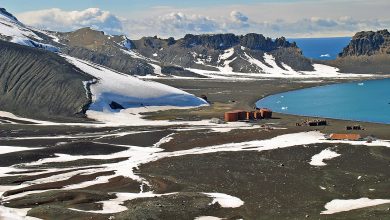
Your next step: Compare two expedition itineraries and ask each operator how it handles a missed landing. Read our first Antarctica expedition guide, compare Deception Island, or see the Antarctica planning guide.
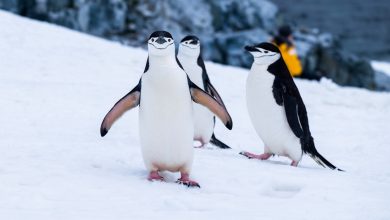
Featured photo: Godot13 / Wikimedia Commons, CC BY-SA 4.0. Resized for display.

One Comment