Mbarara in 3 Days: Ankole Culture and a Lake Mburo Gateway
Mbarara rewards travellers who choose depth over a checklist. This three-day plan connects local culture, practical transport and one weather-flexible decision, with enough margin for the trip to remain enjoyable.
Planning note: Current European and Asia-Pacific travel research points toward meaningful local culture, regional dispersal and lower-pressure city breaks. That is a planning signal rather than proof of demand for this particular city; the itinerary below is built from current destination and transport guidance.
Best time and how many days
Mbarara works best when road conditions are predictable and wildlife time is booked around daylight. Uganda has two broad rainy periods, but weather varies; check the Uganda Wildlife Authority and a short-range forecast instead of treating any month as guaranteed dry. Three nights give you one arrival buffer, one cultural day and one full park day without driving after dark.
Where to stay
Stay in central Mbarara for restaurants and onward transport, or near the Masaka road if Igongo and Lake Mburo are the priority. Confirm secure parking, mosquito protection, backup power, potable water and the exact airport or bus pickup arrangement. A remote lodge is atmospheric but adds transfers and makes a short city visit less flexible.
Day 1: Build local context
Begin with a slow city orientation: the central commercial streets, a local lunch and a planned market visit with a trusted local guide. Continue to the Ankole-focused displays at Igongo Cultural Centre, about 12 kilometres from town according to Mbarara City. Ask the property to confirm museum access before leaving; combine the stop with the Biharwe hill monument only if weather, daylight and local advice support it.
Day 2: Culture, food and landscape
Use the second day for Lake Mburo National Park. Book through the Uganda Wildlife Authority or a clearly identified licensed operator, agree on vehicle, ranger, park fees and cancellation terms, and leave early. The park protects acacia woodland, wetlands and wildlife including zebra, impala and eland. Walking activities require official arrangements; never improvise a route or approach animals. Return before dark rather than squeezing in every activity.
Day 3: Make one clear choice
Keep the third day deliberately light. Choose a neighbourhood food stop, crafts, or a guided cultural conversation, then leave margin for an onward bus or road transfer. If heavy rain or road disruption cancels the park, use this as the cultural day and move wildlife to the clearest available window. That swap is more useful than a rigid hour-by-hour schedule.
Transport and booking priorities
Mbarara is a road hub in western Uganda. Long-distance travel times can expand with traffic, road works and weather, so obtain same-day guidance from your operator or accommodation and avoid a tight international connection. Within town, arrange a known driver through the hotel for early starts and evening returns. Carry small cash while keeping a separate backup payment method.
A practical booking checklist
Book the first two nights in Mbarara before adding excursions. Save the property address offline, request any early or late transfer in writing, and record the cancellation deadline. For a paid day trip, ask for the operator name, pickup point, approximate return, inclusions and weather policy. Recheck the key venue on its own official page 48 hours before visiting; directory listings and social posts can outlive a closure. Carry a payment backup and enough local currency for small purchases without keeping everything in one wallet.
Keep the final half-day near your departure point. That margin absorbs rain, a delayed bus, changed museum access or a long lunch without threatening the next connection. Download an offline map, share the itinerary with a trusted contact and use current government travel advice for health, insurance and security decisions. The plan should still work if one attraction closes: replace it with a nearby indoor stop or a slower neighbourhood meal rather than crossing the city for a substitute.
Common mistakes
The common errors are treating Lake Mburo as a casual taxi trip, scheduling a late return, and assuming every advertised cultural stop is open daily. Verify the park activity, driver and pickup point in writing. Check current government travel advice, buy medical and evacuation cover suitable for the itinerary, and keep the last half-day flexible.
Plan your next step
Choose your Mbarara base first, then request one written Lake Mburo plan with daylight driving, official ranger arrangements and a clear cancellation policy. For more regional context, use our continent planning hub, compare a complementary guide to another regional city, and verify the latest details with the official destination source. You can also compare the visual character of recent destinations in the World Trip Advisor photo gallery.
Sources checked
Checked 2 November 2026: official destination guidance; current official transport and weather guidance should be checked again for the exact travel date. Trend context was drawn from current OECD, European Travel Commission and regional travel research and is used as a planning signal, not a demand forecast.
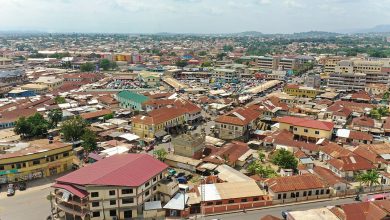
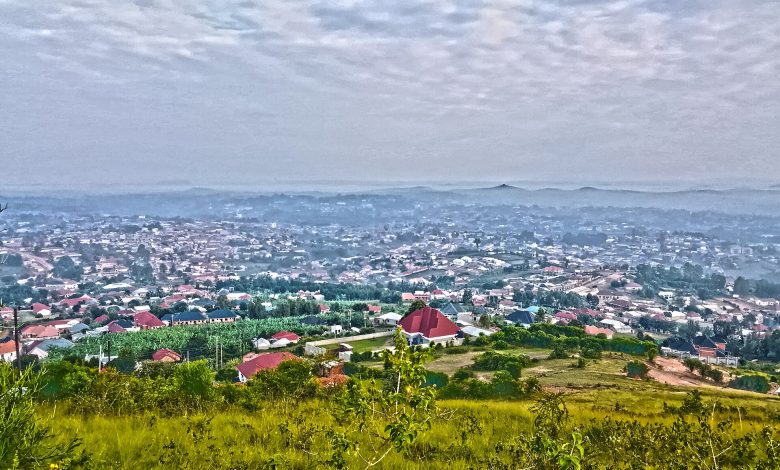
Featured photo: Panorama veiw of mbarara city, katete ward.jpg by MUCUNGUZI Jr ANOLD, CC BY-SA 4.0, via Wikimedia Commons. Display copy may be resized or recompressed.