Banjul in 3 Days: Markets, River History and Coastal Gambia
Banjul works best as a compact cultural stop rather than an all-purpose beach base. The Gambian capital brings together markets, museums, river traffic and national history on St Mary’s Island, while the main resort strip lies farther west. Three days lets you understand the city, cross the Gambia River and add one nature or craft-focused outing without racing.
That slower, locally grounded approach fits a wider 2026 travel signal: Expedia Group’s Unpack ’26 research points to growing interest in culture, community and meaningful local experiences. It is a directional survey and platform-data signal, not proof of demand for Banjul, but it supports a useful planning angle here.
Banjul at a glance
| Recommended stay | 2–3 days |
|---|---|
| Best base | Banjul for history; Kololi or Bakau for a wider hotel choice |
| Getting around | Walking for the centre, plus licensed taxis or an arranged driver |
| Book first | Airport transfer, guided outings and any river crossing connection |
| Plan around | Heat, ferry uncertainty, market crowds and seasonal rain |
Best time to visit Banjul
The drier months are generally easier for walking and road trips; the greener rainy season brings heavier downpours and more humidity. Conditions vary, so check a current forecast and local transport notices rather than relying on a fixed climate table. Start outdoor days early, carry water and leave room for delays.
A practical 3-day Banjul itinerary
Day 1: city history and Albert Market
Begin with the National Museum of The Gambia if it is open, then walk the central streets at an unhurried pace. Continue to Albert Market for textiles, produce, household goods and crafts. Ask before photographing people, keep valuables secure and agree a price before committing to a purchase or service.
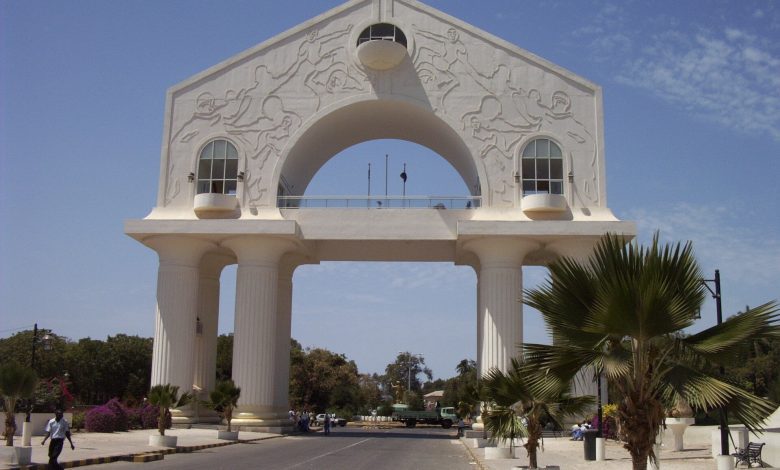
Make time for the Never Again Memorial Arch, formerly known as Arch 22. Its changed name and political history deserve context rather than a quick photo. Access conditions can change, so confirm locally before expecting to enter or climb it.
Day 2: Banjul–Barra crossing and river life
The ferry across the Gambia River is both public transport and an insight into daily movement between Banjul and Barra. Treat it as a flexible half-day, not a precise timed excursion. The official ferry operator says it serves several river crossings, including Banjul; check the Gambia Ferry Services site or ask locally about current operation before leaving.
Foot passengers have a simpler day than travellers with a vehicle. Watch your belongings in queues, follow staff instructions and never substitute an unsafe unregulated boat because of a delay. If the crossing is disrupted, use the time for the city or an arranged alternative.
Day 3: choose wetlands, crafts or the coast
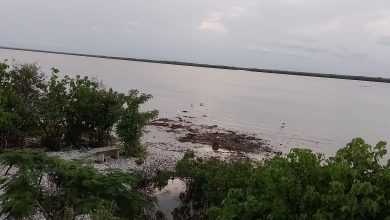
Choose one interest-led outing. Birdwatchers can arrange a responsible wetland or mangrove visit with a knowledgeable guide. Travellers interested in community crafts can visit a recognised workshop or market. If beach time matters most, move west toward Bakau, Cape Point or the tourism-development area rather than expecting a classic resort beach in central Banjul.
Where to stay
- Central Banjul: best for early access to civic sights and the ferry; hotel choice is limited.
- Bakau or Cape Point: a quieter coast-side compromise with easier access to Banjul.
- Kololi or Kotu: the broadest visitor infrastructure, restaurants and beach hotels, but a longer transfer to the capital.
Confirm the exact location and night-time transport before booking. A hotel described as “Banjul” may sit well outside the city proper.
Transport, money and safety
Banjul International Airport is outside the capital, so prearrange the first transfer or use an official taxi. For ordinary trips, ask your accommodation about current taxi types and typical negotiation practice. Do not publish or depend on old fixed fares; fuel costs and transport arrangements change.
Use authorised exchange points or banks, carry smaller notes for markets and keep a backup payment method. Follow current government travel advice, avoid demonstrations and seek local guidance before walking unfamiliar areas after dark. At beaches, the Gambian government advises visitors to check safety flags and local guidance before swimming.
Booking priorities and common mistakes
- Choose the base before building the itinerary.
- Keep the ferry day flexible and reconfirm operation.
- Book specialist birding or cultural guides through traceable providers.
- Do not photograph people, security sites or official buildings without permission.
- Do not mistake Banjul city for the whole coastal resort area.
Frequently asked questions
Is Banjul worth visiting?
Yes for travellers interested in Gambian history, markets and river life. Beach-first visitors may prefer to sleep on the coast and visit Banjul for a day.
How many days do I need?
Two days covers the city and ferry area; three allows a responsible nature, craft or coast outing.
Where should I continue planning?
Compare another West African capital with our Dakar itinerary, explore a different urban gateway in the Cape Town guide, or browse the Africa travel hub.
Continue planning: Decide whether you want a city stay or a coastal base, then confirm the ferry and any guided outing shortly before travel.
Featured photo: “Gambia banjul arch22.JPG” by Atamari, via Wikimedia Commons, licensed under CC BY-SA 3.0.