Apia in 3 Days: Markets, Vailima and Samoan Culture
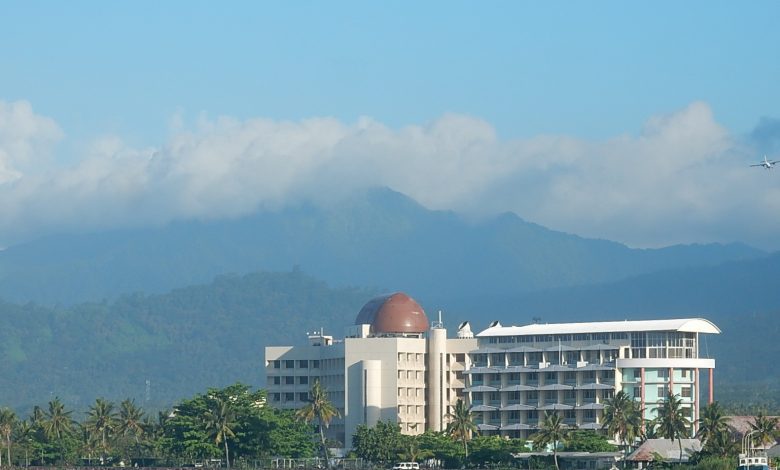
Apia is more than a transfer point between Samoa’s airport, beaches and ferries. The compact capital is the best place to begin understanding Samoan food, history and everyday life before exploring the rest of Upolu. Three days allows one city day, one Vailima day and one flexible coast or culture day.
Apia at a glance
| Ideal stay | 2–3 days, longer if using Apia as an Upolu base |
|---|---|
| Best for | Markets, Samoan culture, waterfront walks, literary history and easy day trips |
| Good base | Central Apia for walking and buses, or Vailima for a quieter hillside setting |
| Book first | Airport transfer, first-night lodging, rental car if needed and any island or cultural tour |
Why Apia deserves time
Travel interest in 2026 increasingly favours food, living culture and less hurried regional alternatives. Apia makes those priorities practical. Samoa Tourism highlights the city’s produce and fish markets, cultural attractions, shops, museums and restaurants, while the Robert Louis Stevenson Museum and Vailima National Reserve sit about five kilometres away. The city is small, but its value comes from slowing down rather than stacking attractions.
Best time to visit Apia
Samoa is tropical year-round, so warmth, humidity and rain should be expected in every season. Instead of relying on a simple “dry versus wet” label, check Samoa’s meteorological information and your accommodation’s local advice before hikes, marine trips and cross-island drives. Pack sun protection and a light rain layer. Cyclone and heavy-rain risks require particular attention during the wetter part of the year; follow official warnings rather than social-media summaries.
A practical three-day Apia itinerary
Day 1: waterfront, markets and central culture
Start at the Samoa Tourism Information Fale on Beach Road for current opening information and local transport advice. Walk the waterfront and clock-tower area, then visit Fugalei produce market or the fish market according to the day and time. Markets are working community spaces: ask before photographing people and carry small denominations.
Make room for the Samoa Cultural Village or a museum rather than rushing through both. Confirm whether demonstrations or guided sessions are operating on your date. Finish with dinner in central Apia and ask which dishes use locally caught fish, taro, breadfruit or coconut.
Day 2: Vailima and Mount Vaea
Visit the Robert Louis Stevenson Museum and Vailima area for context on the writer’s final years in Samoa. If conditions are suitable, continue on the trail toward his tomb on Mount Vaea. The climb can be hot and slippery, so start early, take water and wear proper footwear. Check access and museum arrangements directly before leaving.
Day 3: choose culture, coast or a wider Upolu day
For a relaxed day, stay in Apia for galleries, cafés and another market visit. For water time, Palolo Deep Marine Reserve is close to the city, but snorkelling depends on conditions and personal ability. A rental car or organised tour opens wider Upolu choices such as waterfalls, swimming holes and coastal villages. Do not attempt a full-island checklist in one day.
Getting around Apia and Upolu
- Airport transfer: Faleolo International Airport is outside central Apia. Arrange the first transfer before arrival and reconfirm with your accommodation.
- Local buses: colourful buses offer cultural insight as well as transport, but they do not operate like a tightly timed urban network. Confirm the destination with the driver and allow flexibility.
- Taxi: useful in town and for Vailima; agree the fare before departure if no meter is used.
- Rental car: best for independent Upolu exploration. Confirm licence requirements, insurance and local driving rules with the rental company or Samoa Tourism.
The official Samoa transport guide explains buses, taxis, rental vehicles and inter-island ferries; recheck details because services can change.
Where to stay
Central Apia suits travellers without a car and keeps markets, restaurants and the waterfront within easier reach. Vailima is greener and quieter but usually needs a taxi or vehicle. If your next move is an early ferry or flight, choose the final night by transfer logistics rather than scenery alone.
Respectful travel and booking priorities
- Book the first night and airport transfer before flying.
- Dress modestly in villages and at church-related sites.
- Ask before entering village land, swimming areas or photographing people.
- Respect Sunday rhythms; some services may be limited.
- Use local guides for cultural context and follow tsunami evacuation signs and official warnings.
Common mistakes
- Treating Apia only as an airport stop.
- Expecting buses to follow minute-by-minute schedules.
- Planning Mount Vaea in midday heat or heavy rain.
- Assuming every attraction and market section opens daily.
- Driving the whole island without time for villages, weather or road conditions.
Continue planning
Explore more island routes in our Oceania travel hub. Compare another Pacific capital with Suva in three days, or extend the journey with New Plymouth and Dunedin.
FAQs
Is Apia walkable?
The central waterfront and market area are walkable, but Vailima and wider Upolu require transport.
Do I need a rental car?
No for a city-focused stay. A car is helpful for independent beach, waterfall and village trips outside Apia.
How many nights should I stay?
Two or three nights works well before continuing around Upolu or to Savai‘i.
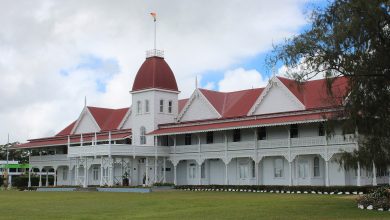
Featured photo: Apia Waterfront by Michael Coghlan, via Wikimedia Commons, licensed under CC BY-SA 2.0.
3 Comments