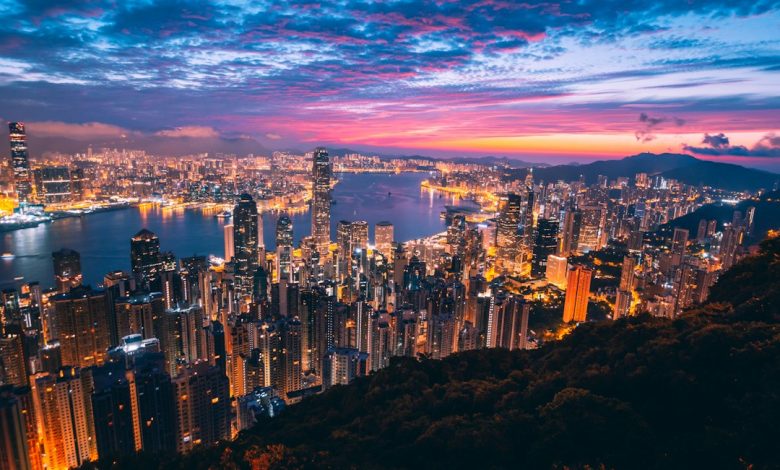
Hong Kong works best when you group nearby places and leave one day flexible. Four full days allow time for the harbour, older neighbourhood streets, food and one bigger outing. The Peak, a theme park and Lantau do not all belong in the same day. Choose the experiences that matter to you before buying a bundle of tickets.
Hong Kong at a glance
| Decision | Practical starting point |
|---|---|
| Recommended stay | Four full days; add time for several outlying trips |
| Hotel base | Tsim Sha Tsui for harbour access; Central or Sheung Wan for Hong Kong Island |
| Transport | MTR, walking and selected ferries; airport travel checked separately |
| Keep flexible | The Peak, island trips and exposed outdoor activities |
When to visit and how to plan for weather
Consider autumn or winter for a walking-focused trip, while allowing for variable visibility and busy holiday dates. Hotter, humid and wetter conditions call for shorter outdoor blocks and an indoor alternative. A skyline photograph depends on conditions, so avoid making one prepaid viewpoint the centre of the entire visit.
Check the Hong Kong Observatory’s official weather and cyclone information before outdoor excursions. Follow operator notices during adverse weather: ferries, cable cars and attractions can change service. A fine morning is not a reason to ignore a later warning.
A realistic four-day Hong Kong itinerary
Day 1: Central, Sheung Wan and the Peak
Begin with Central’s streets, then explore Sheung Wan and the Hollywood Road area. Man Mo Temple belongs with this part of the route, not a vague cross-city sightseeing circuit. Respect worshippers and follow photography instructions. Leave time for a café or a small shop rather than treating each street as a quick photo stop.
Use clearer weather for the Peak, allowing for travel and queues. Compare the transport ticket with any observation-platform admission before paying. The journey, a particular viewing terrace and a restaurant reservation are different products. Keep another viewpoint or indoor plan available if cloud makes the outing less appealing.
Day 2: Kowloon waterfront and market streets
Walk the Tsim Sha Tsui waterfront and Avenue of Stars, then choose a museum or neighbourhood meal. If cinema interests you, take time with the waterfront’s film references instead of only looking across the harbour.
Later, explore Temple Street around Jordan and Yau Ma Tei. It should not be confused with Mong Kok’s Ladies’ Market. Choose one market area first, check prices before ordering food and avoid turning the evening into a rushed tour of every shopping district.
Day 3: Choose Lantau or a full theme-park day
Lantau can suit travellers interested in Ngong Ping, the Tian Tan Buddha and Po Lin Monastery. Check the cable-car operator’s current service and alternative transport before leaving. Consider steps, heat and walking requirements, especially when travelling with children or anyone with limited mobility.
If Disneyland is your priority, give it a dedicated day and verify current reservation and ticket rules directly. Ocean Park is a separate alternative. Neither needs to be squeezed between a distant temple visit and a fixed evening dinner.
Day 4: Art, local food or a weather-dependent outing
Choose a museum collection or a neighbourhood you want to understand more deeply. Check current exhibitions and any gallery closures with the museum itself; an older description of a permanent display does not guarantee it is open.
For an outdoor alternative, choose a route suited to your experience and the day’s conditions. Country-park trips need proper return transport, water and an understanding of the terrain. A waterfront stroll is a different commitment from a remote hike. Keep the final day manageable if you have an onward flight.
Food and where to stay
Dim sum, roast meats, egg tarts and everyday café meals offer different ways to explore Cantonese food. Read menus and ask about ingredients, including seafood, nuts and meat stocks. Avoid choosing a restaurant solely because an old guide calls it the cheapest Michelin-starred option; distinctions, prices and branches change.
Tsim Sha Tsui suits harbour-focused sightseeing. Central and Sheung Wan can simplify Hong Kong Island plans. Compare the actual hotel entrance with the station exit, gradients, lifts and luggage route. A small difference on the map can matter after a long flight, and a lively street can mean a noisier room.
Transport and booking priorities
Use MTR’s official ticket guidance to compare fares, airport products and passes. Octopus’s visitor information explains card options and purchase locations. A stored-value card is not the same thing as unlimited travel, and airport arrangements need their own check.
Check the last useful connection for your exact journey rather than assuming trains run all night. Choose authorised transport and keep your accommodation details available. Reserve essential activities first, compare cancellation conditions and leave weather-sensitive plans movable where possible.
Continue planning
Comparing food-focused city breaks? Read our Taipei guide and Shanghai guide before choosing the route that fits your interests. Browse the Asia destination hub for wider planning; check entry and transport requirements separately when combining destinations.